Bloomington, CA · San Bernardino County
Mold Structural Damage Restoration in Bloomington, CAPost-Remediation Structural Drying & Mold Infested Drywall Removal
Mold Structural Damage Restoration in Bloomington often includes mold damaged flooring removal, structural wood mold treatment and mold contaminated insulation removal.
Answered 24/7
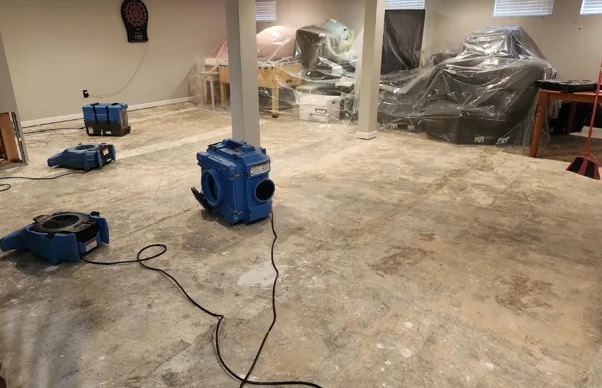
Mold Structural Damage Restoration Experts Serving Bloomington
For homes in Bloomington, restoration is needed when water lets mold grow and weaken building materials. Drying after remediation leaves no moisture for new mold.
In Bloomington, the work includes removing moldy flooring and drying the structure. Nearby places like Fontana, Sunnyslope and Rialto share similar restoration needs. Local water damage restoration experts use IICRC-standard methods for mold remediation and cleanup.
Detailed Mold Structural Damage Restoration Offerings in Bloomington
Post-Remediation Structural Drying
Drying the structure completely after remediation is what seals the success of the project. Using moisture meters, the pros monitor the drying process until all materials meet dry standard specifications.
Mold Infested Drywall Removal
The pros in Bloomington handle damaged drywall carefully. They set up containment, remove the material, and sanitize underlying studs to prevent regrowth.
Subfloor Mold Remediation
Mold under flooring can warp floors. Flooring is pulled up, the subfloor treated and the space dried completely.
Emergency Mold Containment Setup
Containment comes first when mold growth is heavy. It involves sealing off doorways, vents, and other openings with plastic sheeting and establishing negative pressure within the work area for safety.
Mold Damaged Flooring Removal
When mold damages flooring, the aesthetic surface is often just the tip of the problem. The removal process is methodical, prioritizing containment to prevent spore dispersal throughout your home during demolition.
Indicators You Require Mold Structural Damage Restoration
Peeling Paint or Wallpaper
Adhesive failure and paint blistering are common signs of moisture and mold behind the surface.
Allergy Symptoms Indoors
Sudden worsening of coughs, itchy eyes, or congestion at home can be a reaction to mold spores.
Warping or Bubbling Drywall
When drywall softens, bulges, or shows bubbles, moisture and mold are likely inside the cavity.
Musty Odors in Specific Rooms
A persistent earthy smell often signals hidden mold growth within walls, floors, or HVAC systems.
How Mold Structural Damage Restoration Works in Bloomington
Step 1: Mold Inspection and Damage Assessment
The pros begin with a detailed inspection, using tools to map moisture and locate all mold damage within the structure.
Step 2: Emergency Mold Containment Setup
To prevent spore spread, pros establish containment with barriers and negative air machines, isolating the work area from the rest of the property.
Step 3: Structural Mold Removal and Treatment
Affected materials like drywall, insulation, and wood are removed or treated. This includes removing drywall and treating structural wood.
Step 4: Post-Remediation Structural Drying
Drying equipment removes the remaining moisture from the structure so mold does not return.
Common Causes of Mold Structural Damage
Improper Drying After Water Damage
Incomplete drying after any water incident leaves hidden moisture that turns into mold within days.
High Indoor Humidity Levels
Consistent humidity above 60 percent allows mold spores on surfaces to germinate and colonize materials.
Chronic Plumbing Leaks
Slow drips inside walls or under floors provide constant moisture, leading to extensive structural mold damage over time.
Poor Bathroom Ventilation
Shower steam with no exhaust fan leads to moisture buildup on walls and ceilings, encouraging mold.
Home and Business Mold Structural Damage Restoration Serving Bloomington
Residential Mold Structural Damage Restoration
In homes, mold structural damage restoration addresses hidden mold in wall cavities, under flooring, and within attics. The pros remove drywall, treat the subfloor and dry the structure so the home is safe again.
Commercial Mold Structural Damage Restoration
For businesses, mold can disrupt operations and affect air quality in offices, retail spaces, or warehouses. The pros remove insulation and clean ducts with containment to limit business downtime.
When to DIY and When to Hire Local Experts for Mold Structural Damage Restoration
After a minor leak, you can wipe up standing water and move wet items to aid drying. If materials like drywall or flooring remain damp over 48 hours, contact the experts in Bloomington for mold damage restoration before mold establishes.
Factors in Mold Structural Damage Restoration Pricing for Bloomington
For mold structural damage restoration, the main cost drivers are the extent of structural compromise and the type of surfaces requiring treatment, such as wood beams or subflooring.
Material Type
Costs differ between treating porous wood studs versus non-porous materials, as each requires specific mold removal and restoration approaches.
Access Challenges
Hard-to-reach areas like ducts or closed subfloors take more time and tools to clean.
Containment Level
Establishing negative air pressure and sealing off work zones adds to the project scope and required equipment.
Does Insurance Cover Mold Structural Damage Restoration?
Mold damage restoration coverage is a complex insurance matter. Many policies limit or exclude mold unless it originates from a sudden, accidental discharge. The specialists document the structural repairs needed. Ask your insurer about coverage for mold cleanup and drying before work starts.
Why Bloomington Properties Need Local Experts for Mold Structural Damage Restoration
Thorough Drying Protocols
Post-remediation structural drying uses industrial equipment to remove residual moisture from rebuilt cavities and materials.
Structural Damage Focus
The work prioritizes assessing and addressing compromised load-bearing elements and building materials, not just surface mold cleanup.
Clear Scope Communication
You receive a clear explanation of necessary steps, from mold contaminated insulation removal to final repairs.
Emergency Mold Structural Damage Restoration Available in Bloomington
When mold from water damage compromises your home's framework, urgent action is needed. Reach the specialists at (951) 584-3629 day or night to start containment.
Call Now (951) 584-3629Mold Structural Damage Restoration in Bloomington and Other Areas Served
The places below are also served, and each one has its own page.
- Mold Structural Damage Restoration in Sunnyslope
- Mold Structural Damage Restoration in Rubidoux
- Mold Structural Damage Restoration in San Bernardino
- Mold Structural Damage Restoration in Good Hope
- Mold Structural Damage Restoration in Highland
- Mold Structural Damage Restoration in Yucaipa
- Mold Structural Damage Restoration in Mentone
- Mold Structural Damage Restoration in Nuevo
FAQ on Mold Structural Damage Restoration in Bloomington
How is mold and mildew removal from structural elements different?
Mildew is surface-level and can often be cleaned. Deep structural mold gets into materials, so those materials must be removed.
Can mold remediation and structural repair happen simultaneously?
The order matters: removal and containment come first, then structural drying, then any structural repairs.
What is involved in mold structural damage restoration?
It includes assessment, containment, removal of moldy materials, treatment of the remaining structure, drying and final testing.
Why is emergency mold containment setup important?
Containment with plastic sheeting and negative air pressure isolates the work area, preventing mold spores from spreading to clean parts of your home during remediation.
How does black mold removal differ from regular mold cleanup?
Black mold, or Stachybotrys, often indicates prolonged moisture and may require more stringent containment and removal protocols due to potential health concerns, but the structural repair steps are similar.