Bloomington, CA · San Bernardino County
Black Mold Removal from Water Damage in Bloomington, CABlack Mold Inspection & Water Damage Source Containment
For black mold removal from water damage in Bloomington, a black mold inspection and water damage source containment start the process.
Answered 24/7
Your Bloomington Black Mold Removal from Water Damage Resource
Emergency mold removal responds to water damage emergencies in Bloomington, a census-designated place in San Bernardino County. The mold remediation process involves inspection, removal, and restoration. Local black mold removal pros use advanced techniques for water extraction.
For properties in Bloomington, timely water extraction and mold removal prevent long-term issues. Local experts serve this area, Fontana, Sunnyslope and Rialto with containment, drying, and verification.
Comprehensive Black Mold Removal from Water Damage Services in Bloomington
Black Mold Inspection
A detailed inspection pinpoints moisture intrusion and visible colonies in Bloomington. Advanced testing identifies hidden mold and determines the specific species present to inform the remediation strategy.
Water Damage Source Containment
The containment step isolates the work zone, preventing cross-contamination. Using engineering controls, local water damage pros create a safe, segregated area for the removal procedures.
Structural Drying
Thorough structural drying is verified with moisture meters. Achieving a dry standard is the final, critical step to ensure mold cannot reactivate after remediation.
Post-Remediation Verification Testing
Post-remediation assessment offers objective proof the black mold removal was effective. The testing report can be part of your documentation for personal records.
Black Mold Air Filtration
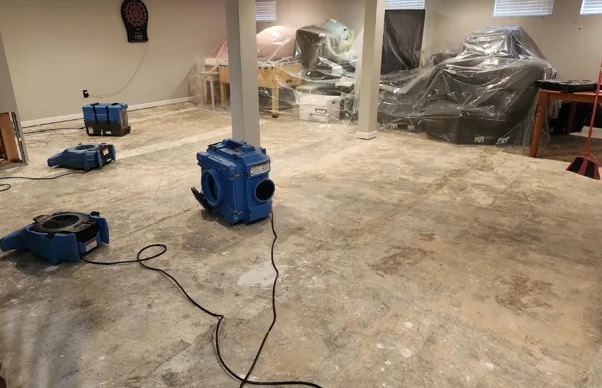
Air filtration addresses mold spores released into the air. Using industrial-grade HEPA equipment, the pros clean the air during the water damage restoration process.
Detecting the Need for Black Mold Removal from Water Damage
Damp or Wet Drywall
Drywall that feels damp or soft to the touch likely contains moisture. This material can harbor black mold if not dried properly.
Peeling Paint or Wallpaper
Bubbling or peeling surfaces often conceal moisture and black mold growth underneath. This is a common sign in water-damaged walls.
Visible Water Stains
Yellowish or brownish stains on ceilings or walls point to past moisture. These areas are prime locations for toxic mold removal needs.
Past Incomplete Water Cleanup
If previous water damage wasn't fully dried, black mold can develop. This necessitates emergency mold removal to stop further contamination.
How Black Mold Removal from Water Damage Works in Bloomington
Step 1: Emergency Water Extraction
The immediate priority is removing all standing water to stop further damage. This water extraction and mold removal step uses powerful pumps and vacuums to dry the area fast.
Step 2: Mold Assessment and Containment Setup
The pros in Bloomington perform a detailed black mold inspection to map contaminated zones. They establish containment with negative air pressure to isolate the area for mold cleanup services.
Step 3: Material Removal and Deep Cleaning
Irreversibly damaged materials are removed and disposed of following safety protocols. HEPA vacuuming and detailed cleaning of all surfaces follows to capture lingering spores.
Step 4: Application and Verification Testing
Antimicrobial solutions are applied to treat remaining mold. Post-remediation verification testing then confirms the air and surfaces are clean, completing the restoration process.
Primary Catalysts for Water Damage Mold
Burst or Leaking Pipes
Plumbing failures inside walls or under sinks release significant water. This requires both water extraction and mold removal to fully resolve.
Poor Ventilation in Bathrooms
Inadequate exhaust fans let steam soak into walls and ceilings. The consistent dampness leads to mold after water damage from daily use.
Foundation Cracks and Seepage
Cracks in your foundation allow groundwater to enter the structure. This constant moisture source makes mold prevention after water damage challenging.
Roof Leaks from Storms
Wind-driven rain or damaged shingles allow water into attics and walls. This hidden moisture creates ideal conditions for black mold growth over time.
Bloomington Black Mold Removal from Water Damage for All Property Types
Residential Black Mold Removal from Water Damage
Emergency mold removal services for residences provide a professional service to halt health hazards. The experts contain the source, remove affected materials, and apply treatments to restore the home.
Commercial Black Mold Removal from Water Damage
For businesses, toxic mold removal supports compliance and continuity. The specialists design a plan for the commercial layout. This helps operations resume with verified air quality.
Black Mold Removal from Water Damage vs. DIY: When to Call Local Pros
Regularly inspecting a home for leaks is preventive. Finding black mold or extensive damage makes DIY risky due to exposure. Professional removal follows strict safety standards.
What Influences Black Mold Removal from Water Damage Expenses
The investment in black mold removal services in Bloomington reflects a customized plan. Cost variables include discarded material amounts and the scale of drying equipment deployment.
Restoration Repair Needs
The extent of rebuilding, such as drywall replacement or flooring installation after mold removal, constitutes a significant separate portion of the total project investment.
Post-Remediation Verification
Independent clearance testing via post-remediation verification to confirm successful mold removal is a definitive, non-negotiable final step with its own associated fee.
Required Drying Time
The duration needed for structural drying and dehumidification to reach target moisture levels affects equipment rental periods and energy consumption, influencing final cost.
Does Insurance Cover Black Mold Removal from Water Damage?
Insurance coverage for black mold removal in Bloomington typically hinges on the water loss cause. The pros document damage with photos and moisture readings. The final decision belongs to the insurer.
Selecting Local Pros for Your Black Mold Removal from Water Damage Project
HEPA Filtration Air Scrubbing
Continuous air scrubbing with HEPA filters captures airborne mold spores during work, protecting air quality throughout the remediation process.
Detailed Documentation for Claims
Systematic photo and moisture log documentation creates a clear record for your potential insurance claim review process.
IICRC-Standard Remediation Methods
The process follows established industry protocols for safety and effectiveness, from inspection to post-remediation verification, ensuring a thorough job.
24/7 Emergency Black Mold Removal from Water Damage in Bloomington
Urgent help for water damage with suspected mold is available 24/7. Waiting can worsen the problem. Dialing (951) 584-3629 starts a professional service for properties in Bloomington.
Call Now (951) 584-3629Black Mold Removal from Water Damage Availability in the Bloomington Region
Each place listed below has its own page with local details.
- Black Mold Removal from Water Damage in Sunnyslope
- Black Mold Removal from Water Damage in Rubidoux
- Black Mold Removal from Water Damage in San Bernardino
- Black Mold Removal from Water Damage in Good Hope
- Black Mold Removal from Water Damage in Highland
- Black Mold Removal from Water Damage in Yucaipa
- Black Mold Removal from Water Damage in Mentone
- Black Mold Removal from Water Damage in Nuevo
Frequently Asked Questions About Black Mold Removal from Water Damage
How do professionals perform black mold inspection and testing?
Inspection involves visual assessment and moisture mapping. Air and surface sampling can identify mold type and concentration, helping plan the remediation process.
How does antimicrobial application and treatment prevent future mold?
After cleaning, EPA-registered antimicrobial agents are applied to exposed structural surfaces. These treatments inhibit the growth of new mold spores that may contact the surface.
Why is containment important during toxic mold removal?
Containment uses physical barriers and negative air pressure with HEPA filtration. This prevents mold spores from spreading to unaffected areas during the contaminated material removal and cleaning process.
What is the purpose of post-remediation verification testing?
This independent testing occurs after cleanup. It confirms that mold levels inside match normal outdoor levels. This verifies the remediation was successful and the space is safe.
What should I look for in local mold removal services?
Look for providers who follow IICRC standards, offer a complete process from inspection to verification, use proper containment and HEPA equipment, and provide clear documentation of their mold remediation work.