Bloomington, CA · San Bernardino County
Mold Growth from Water Leaks Cleanup in Bloomington, CAMold Spore HEPA Vacuuming & Moldy Drywall Removal
Mold Growth from Water Leaks Cleanup in Bloomington involves water leak mold inspection, mold antimicrobial application, and post-remediation drying.
Answered 24/7
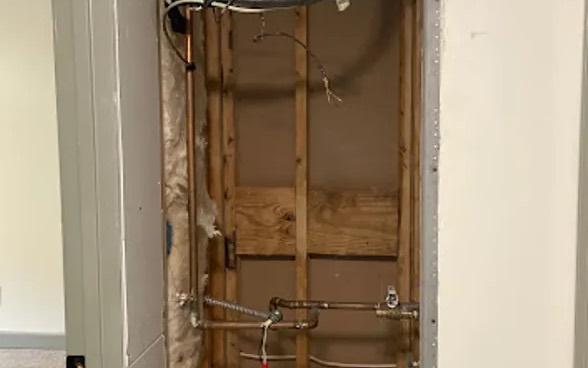
Professional Mold Growth from Water Leaks Cleanup in Bloomington, CA
In Bloomington, mold prevention after a leak avoids repeat problems and costly repairs. Inadequate drying allows hidden mold to regrow, undermining any initial mold growth cleanup efforts.
Mold growth from water leaks is a common issue for properties in Bloomington and nearby areas like Fontana, Sunnyslope and Rialto. The work requires a careful inspection and containment to prevent cross-contamination. Local water damage pros follow set procedures for safety.
Complete Mold Growth from Water Leaks Cleanup Process in Bloomington
Mold Spore HEPA Vacuuming
Mold spore HEPA vacuuming cleans loose spores from surfaces after removal. HEPA filters capture microscopic particles. This prepares the area for antimicrobial treatment.
Moldy Drywall Removal
Affected material removal handles porous, moldy items like drywall or insulation. The pros carefully bag these materials for disposal to prevent regrowth from the original leak in Bloomington.
Post-Remediation Mold Air Testing
Air testing after remediation shows the cleanup worked. Results can be included with other paperwork for your insurance claim review.
Water Leak Mold Assessment
After a leak, mold can grow behind baseboards or under flooring. The pros check these zones with a thorough inspection, documenting all problem areas to guide safe removal in San Bernardino County.
Post-Remediation Drying
In Bloomington, a census-designated place in San Bernardino County, professional drying after mold cleanup safeguards against lingering dampness that could cause regrowth. Building materials return to a stable, dry condition.
When to Schedule Mold Growth from Water Leaks Cleanup in Bloomington
Musty Odors After a Leak
A persistent musty smell often signals hidden mold growth from water damage, requiring a professional inspection.
Peeling Paint or Wallpaper
When paint or wallpaper bubbles and peels, it often indicates moisture and mold growth from a water leak behind it.
Visible Mold Colonies
Spotting fuzzy, slimy, or powdery black, green, or white growth confirms active mold from a leak that needs cleanup.
High Indoor Humidity Levels
Consistently high humidity above 60% creates an ideal environment for mold growth, especially following a water leak event.
How Mold Growth from Water Leaks Cleanup Works in Bloomington
Step 1: Emergency Containment Response
For emergency mold cleanup, pros establish containment to isolate the affected area, limiting spore migration to other parts of your property.
Step 2: Detailed Mold Damage Inspection
An inspection finds visible and hidden mold and decides which materials are removed or cleaned.
Step 3: Affected Material Removal Process
Irreversibly damaged drywall, insulation, or flooring is removed and bagged on-site. This is a core step of mold removal.
Step 4: Final Cleaning and Clearance Testing
After cleaning and drying, an independent final clearance air test provides objective proof that the mold remediation cost was worth a safe outcome.
What Leads to Mold Growth in Bloomington Homes
Burst or Leaking Pipes
A pipe failure inside a wall or ceiling saturates building materials, triggering mold growth cleanup needs within days.
Window and Door Seal Failures
Failed caulk or weather stripping lets rain and moisture infiltrate wall cavities, creating conditions for mold after a leak.
Improper Flood Water Cleanup
Incomplete drying after a past flood leaves residual moisture in materials, which inevitably leads to mold growth later.
Condensation From HVAC Systems
Poorly insulated ducts or clogged drain pans from air conditioners drip water, promoting mold in attics and ceilings.
Home and Business Mold Growth from Water Leaks Cleanup in Bloomington
Residential Mold Growth from Water Leaks Cleanup
In homes, mold growth from water leaks often starts in hidden areas like behind walls, under sinks, or in attics. The pros use containment and HEPA vacuuming so spores do not spread through the house.
Commercial Mold Growth from Water Leaks Cleanup
For businesses, water leak mold cleanup must address disruptions quickly and often involves complex building systems. The pros focus on minimizing downtime by setting up contained work areas and performing after-hours remediation to maintain operations.
Mold Growth from Water Leaks Cleanup vs. DIY: When to Call Water Extraction Experts
You can move belongings and furniture away from a leak to prevent further water damage. The actual process of mold contained area setup, affected material removal, and antimicrobial application requires the controlled environment only the experts can establish.
Factors Influencing Mold Growth from Water Leaks Cleanup Cost in Bloomington
Pricing for water leak mold cleanup depends on the scope. The square footage of mold growth, the depth of contamination, and the required containment procedures all influence the final cost.
Containment Complexity
Barriers that prevent cross-contamination during removal add time and extra material costs.
Type of Mold Present
Black mold usually covers more material and may need stricter containment and removal steps.
Post-Remediation Verification
A final air test to confirm safe mold levels adds to the cost.
Does Insurance Cover Mold Growth from Water Leaks Cleanup?
Does insurance cover wet wall mold removal? The pros document the leak source, the extent of mold, and all remediation actions. This documentation matters.
Why Choose Local Experts for Mold Growth from Water Leaks Cleanup in Bloomington
Antimicrobial Treatment Application
Applying EPA-registered antimicrobials helps inhibit mold regrowth on cleaned surfaces after the initial water leak mold cleanup.
Comprehensive Mold Inspection
A thorough water leak mold inspection identifies all affected areas, including hidden moisture behind walls or under flooring.
Detailed Damage Documentation
Water damage documentation creates a record for personal reference or for potential insurance claim submission.
24-Hour Emergency Mold Growth from Water Leaks Cleanup for Bloomington
Emergency cleanup prevents health risks and structural damage. If you have active water intrusion and visible mold, call (951) 584-3629. The pros offer 24/7 response for wet wall mold removal.
Call Now (951) 584-3629Mold Growth from Water Leaks Cleanup Coverage Area Including Bloomington
Each place listed below has its own page with local details.
- Mold Growth from Water Leaks Cleanup in Sunnyslope
- Mold Growth from Water Leaks Cleanup in Rubidoux
- Mold Growth from Water Leaks Cleanup in San Bernardino
- Mold Growth from Water Leaks Cleanup in Good Hope
- Mold Growth from Water Leaks Cleanup in Highland
- Mold Growth from Water Leaks Cleanup in Yucaipa
- Mold Growth from Water Leaks Cleanup in Mentone
- Mold Growth from Water Leaks Cleanup in Nuevo
Your Mold Growth from Water Leaks Cleanup Questions Addressed
What areas are commonly affected by mold from leaking pipes?
Common sites include walls, ceilings, under sinks, and flooring near the leak source. Wet wall mold removal is often necessary when pipes inside walls fail.
Why is a professional water damage mold inspection needed?
Pros use moisture meters and thermal imaging to find hidden dampness you cannot see. It finds all mold growth, even behind walls.
How does mold spore HEPA vacuuming improve air quality?
HEPA vacuums capture microscopic mold spores and dust from surfaces and the air after material removal, significantly reducing particulate counts and improving the indoor environment.
Is mold cleaning after a leak different from remediation?
The term cleaning usually describes wiping visible mold. Remediation for mold from water leaks commonly includes source identification, containment, physical removal of affected materials, and antimicrobial treatment.
What factors influence mold remediation cost the most?
The primary cost factors are the square footage of contamination, the extent of affected material removal required, and the complexity of the containment and drying needed.