Ontario, CA · San Bernardino County
Dehumidification Services in Ontario, CAMold Prevention Dehumidification & Crawl Space Drying
Dehumidification Services in Ontario run from emergency water damage drying and crawl space drying to commercial building dehumidification.
Answered 24/7
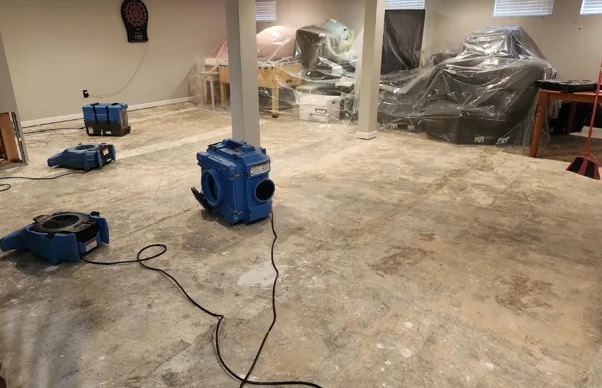
Professional Dehumidification Services in Ontario, CA
Dehumidification in Ontario homes also helps prevent the musty smell that follows many water leaks. That smell usually comes from materials that stayed damp too long.
In Ontario, Eastvale, Chino and Upland, commercial buildings need high-capacity drying after sprinkler leaks and roof leaks. Dehumidification Services bring equipment sized for large open spaces and high ceilings.
Dehumidification Services Methods Used in Ontario
Mold Prevention Dehumidification
Keeping humidity low after water damage is one of the main ways to limit microbial growth on wet materials.
Crawl Space Drying
A repaired vapor barrier helps the dehumidifier work, since it limits moisture rising from the soil.
Emergency Water Damage Drying
Help is available any hour to set up drying equipment, so water damage does not sit overnight in damp air.
Whole-House Dehumidification
When water damage affects several rooms, dehumidifiers are placed through the house so humidity drops everywhere, not just in one spot.
Attic Moisture Removal
Attic air is warm and can hold a lot of moisture. Dehumidifiers remove it so the wood framing can dry instead of staying damp.
Symptoms Requiring Dehumidification Services in Ontario
Clammy or Damp Feeling Air
Air that feels clammy or heavy, even with the AC running, suggests high indoor humidity.
Rust on Metal Fixtures or Pipes
Rust on pipes, tools or metal fixtures shows long-term moisture in the area.
Peeling Paint or Wallpaper
Paint or wallpaper that peels or bubbles often has moisture behind it.
High Humidity Readings on a Meter
A hygrometer that reads high humidity for days after a leak shows the space is not drying on its own.
How Dehumidification Services Work in Ontario
Step 1: Emergency Water Extraction
Standing water is removed first, so dehumidifiers can focus on moisture in the air and materials.
Step 2: Dehumidification Equipment Setup
Dehumidifiers and air movers are placed based on the size of the space and the moisture readings.
Step 3: Targeted Drying of Materials
Airflow is aimed at wet drywall, floors and framing, with readings taken every day.
Step 4: Completion and Moisture Validation
Final readings are compared to dry areas before equipment is removed and repairs begin.
Causes of Dampness and Dehumidification Responses in Ontario Homes
Recent Water Damage Restoration Work
Rooms that were extracted but not fully dried after earlier water damage stay damp.
Appliance Malfunctions and Overflows
Washers, dishwashers and water heaters that leak leave wet floors, cabinets and walls behind.
Flooding From External Sources
Floodwater from outside soaks everything it reaches, leaving the whole space damp.
Plumbing Leaks or Pipe Bursts
Burst pipes and supply line leaks soak materials that then release moisture into the air for days.
Both Residential & Commercial Dehumidification Services in Ontario
Residential Dehumidification Services
Homeowners renting a store-bought dehumidifier often find it cannot keep up with soaked materials. Commercial units dry the space faster.
Commercial Dehumidification Services
Restaurants and medical offices need drying that keeps humidity and dust under control in areas that must stay clean.
Why DIY Dehumidification Falls Short in Ontario
Cleaning gutters and pointing downspouts away from the house help keep water out of walls and lower levels. Once materials are wet inside, call local dehumidification pros for drying.
Understanding Dehumidification Services Pricing in Ontario
Water extraction, contaminated water cleanup, attic or crawl space access and after-hours setup all add to the total for dehumidification services in Ontario.
Emergency Service Timing
Night, weekend and holiday setup can cost more than a scheduled weekday visit.
Presence of Contaminants
Water from drains or floods needs cleaning and disinfection before drying, adding cost.
Affected Square Footage
Larger wet areas need more dehumidifiers and air movers running at once.
Does Insurance Cover Dehumidification Services?
Many homeowner policies cover drying after sudden water damage, like a burst pipe, but not humidity problems from long-term leaks or poor ventilation. Check your policy early.
Benefits of Local Pros for Dehumidification Services in Ontario
Detailed Documentation for Claims
Daily logs of humidity and material readings are kept to support your insurance claim.
24/7 Emergency Response
Help is available day or night, so drying can start as soon as the water is out.
Industry Drying Standards
Drying follows industry water damage standards, with readings taken at every visit.
Round-the-Clock Dehumidification Services in Ontario
Attic or crawl space wet after a leak or storm? Call (951) 584-3629 now for dehumidification services in Ontario before the framing stays damp.
Call Now (951) 584-3629Local Dehumidification Services Areas Including Ontario
Each place listed below has its own page with local details.
- Dehumidification Services in Eastvale
- Dehumidification Services in Chino
- Dehumidification Services in Rancho Cucamonga
- Dehumidification Services in Norco
- Dehumidification Services in Wildomar
- Dehumidification Services in Lake Arrowhead
- Dehumidification Services in Banning
- Dehumidification Services in Corona
Frequently Asked Questions About Dehumidification Services
What is the difference between residential and commercial dehumidification?
Commercial jobs cover larger spaces and use higher-capacity equipment, often planned around business hours.
Can dehumidification services help prevent mold growth?
Yes. Bringing humidity down and drying materials quickly is one of the main ways to keep mold from starting.
What is involved in professional dehumidification services?
Measuring moisture, placing commercial dehumidifiers and air movers, taking daily readings and running equipment until materials are dry.
What happens during dehumidification aimed at preventing mold?
Humidity is kept low and materials are dried quickly, so they do not stay wet long enough for mold to begin.
What should I do right after discovering water damage?
Stop the water, remove what you can safely, move belongings and call for extraction and drying.