Grand Terrace, CA · San Bernardino County
Ceiling Water Damage Restoration in Grand Terrace, CACeiling Leak Water Cleanup & Emergency Ceiling Water Extraction
Ceiling Water Damage Restoration in Grand Terrace covers ceiling leak water cleanup, wet ceiling drywall removal, and ceiling drying services.
Answered 24/7
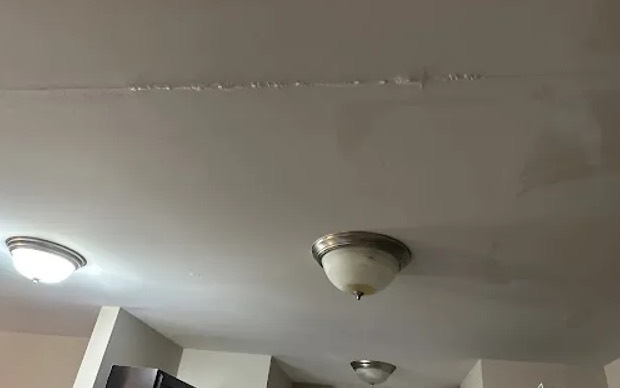
Local Ceiling Water Damage Restoration Solutions in Grand Terrace
A water damaged ceiling in Grand Terrace is frequently a symptom of a hidden plumbing leak, a compromised roof seal, or condensation within walls.
Ceiling water damage restoration in Grand Terrace and nearby areas like Highgrove, Colton and Loma Linda requires a methodical approach to address leaks and hidden moisture. Local water damage pros focus on preventing structural compromise and mold growth in these communities through extraction and drying.
Complete Ceiling Water Damage Restoration Solutions for Grand Terrace
Ceiling Leak Water Cleanup
Ceiling leak cleanup involves extracting water from both the visible surface and the hidden spaces above. Moisture meters map the damp areas.
Emergency Ceiling Water Extraction
When water is actively coming through a ceiling, emergency extraction is the first line of defense.
Ceiling Drying Services
Without professional drying, hidden moisture in a ceiling can cause long-term problems. The drying service uses specialized tools like thermo-hygrometers to measure progress and adjust equipment for the most efficient dry-out.
Wet Ceiling Drywall Removal
Persistent moisture ruins ceiling drywall, which then has to be removed. Damaged panels are taken down so the framing above can dry.
Ceiling Moisture Inspection
Ceiling moisture inspections are critical for an accurate restoration plan. Pros use penetrating and non-penetrating meters to get precise readings of moisture content in drywall, wood, and other ceiling materials.
Warning Signs You Need Ceiling Water Damage Restoration in Grand Terrace
Increased Utility Bills
Unexplained spikes in your water bill can point to a hidden leak. A ceiling moisture inspection can help find the source of waste.
Visible Mold Patches
Black or green spots on the ceiling indicate active mold. Ceiling mold prevention strategies should follow professional mold remediation.
Condensation on Light Fixtures
Moisture collecting inside or around a ceiling light fixture is dangerous. It points to high humidity in the ceiling.
Cracking Along Ceiling Corners
Cracks where walls meet the ceiling can be caused by moisture movement. These require assessment as part of ceiling water damage repair.
How Ceiling Water Damage Restoration Works in Grand Terrace
Step 1: Leak Source Identification and Containment
The pros first work to stop the active leak, whether from plumbing or roof.
Step 2: Wet Material Removal and Extraction
Soggy, compromised ceiling drywall and insulation are safely removed. Powerful extraction equipment pulls out any remaining standing water from the cavity above.
Step 3: Structural Drying and Monitoring
High-velocity air movers and commercial dehumidifiers dry the joists and remaining materials. Moisture levels are monitored daily until they meet dry standard criteria.
Step 4: Final Cleaning and Stain Treatment
The area is cleaned of debris and any remaining residues. Ceiling water stain removal techniques are applied to prepare surfaces for reconstruction.
Ceiling Water Damage: Typical Causes
HVAC Condensation Drainage Issues
A clogged condensate drain line from an attic air handler can overflow. This constant drip causes significant ceiling water damage over time.
Bathroom Vent Fan Exhaust
A bathroom fan that vents into the attic, not outside, deposits moist air. This promotes mold growth on ceiling materials and framing over time.
Failed Appliance Connections
A leaking washing machine, water heater, or ice maker line upstairs can fail. The water often travels along floor joists to damage the ceiling underneath.
Overflowing Bathtubs or Sinks
An accidental overflow from a second-floor bathroom can be a major incident. It needs extraction and drying.
Both Residential & Commercial Ceiling Water Damage Restoration
Residential Ceiling Water Damage Restoration
Residential ceiling water damage can weaken drywall and framing if left wet. The pros use moisture meters to map damage before the ceiling drying process.
Commercial Ceiling Water Damage Restoration
Ceiling mold cleanup and prevention are critical to pass health inspections and protect reputation. The pros use industrial-grade equipment for rapid drying and odor control in these sensitive environments.
Should You Attempt Ceiling Water Damage Restoration Yourself?
After a minor leak, a wet-dry vacuum can remove standing water if safe. Fans may help surface drying. For ceiling drying services that prevent hidden mold, the specialized equipment of the pros are required.
Understanding Ceiling Water Damage Restoration Cost in Grand Terrace, CA
Labor intensity for emergency ceiling water extraction and the required drying time with specialized equipment are primary cost factors in Grand Terrace. The need for attic access or structural drying above the ceiling adds to project scope.
Cosmetic Finish Restoration
After wet ceiling drywall removal and replacement, repainting, re-texturing, and ceiling water stain removal work contribute to the final restoration cost.
Mold Prevention Needs
If moisture detection ceiling inspection finds elevated humidity, antimicrobial treatments and added drying for ceiling mold prevention become necessary cost components.
Ceiling Material Type
Drywall, plaster and textures like popcorn ceilings differ in material and labor costs.
Does Insurance Cover Ceiling Water Damage Restoration?
For mold growth on ceiling resulting from a covered water loss, some policies may cover the mold cleanup and ceiling mold prevention treatments. The pros keep records that support your claim. Always verify what your individual policy includes regarding mold remediation limits.
Reasons to Trust Ceiling Leak Cleanup Pros with Your Ceiling Damage
Root Cause Consideration
While performing roof leak ceiling water removal, pros can advise on potential external causes to discuss with a roofer before interior repairs are finalized.
Advanced Moisture Detection
Using non-invasive meters and thermal imaging for moisture detection ceiling inspection finds hidden wet areas behind walls or above in the attic.
Industry-Standard Drying Methods
Drying prevents hidden moisture and mold in the ceiling cavity and attic.
Emergency Ceiling Water Damage Restoration Available Now
If water is dripping or pooling from overhead, act now. Get emergency help from the pros for ceiling drying services by calling (951) 584-3629 anytime.
Call Now (951) 584-3629Ceiling Water Damage Restoration Throughout the Grand Terrace Region
Other places served are listed below, each with its own page.
- Ceiling Water Damage Restoration in Highgrove
- Ceiling Water Damage Restoration in Colton
- Ceiling Water Damage Restoration in Alessandro Heights
- Ceiling Water Damage Restoration in Loma Linda
- Ceiling Water Damage Restoration in Mead Valley
- Ceiling Water Damage Restoration in Redlands
- Ceiling Water Damage Restoration in Riverside
- Ceiling Water Damage Restoration in Woodcrest
Common Ceiling Water Damage Restoration Questions Answered
Is ceiling moisture inspection needed after the drying equipment is removed?
Yes. A final moisture check confirms the framing and insulation are dry before repairs begin.
Why is emergency water extraction important for a ceiling leak?
Rapid removal limits water weight that can cause drywall to sag or collapse, reduces absorption into insulation and framing, and shortens the overall ceiling drying services timeline.
What are signs of mold growth on a ceiling after a leak?
Look for discolored patches, black speckling, a musty odor, or peeling paint. A moisture detection ceiling inspection can confirm hidden mold behind the drywall before it becomes visible.
What is the goal of local water damage restoration for a ceiling?
The aim is to dry, clean and repair the ceiling while preventing mold in the cavity above.
What causes recurring ceiling leaks after previous repair?
Recurrence often points to an unresolved external source, like a persistent roof leak, or an internal plumbing issue that was not fully identified and repaired during the initial incident.