Corona, CA · Riverside County
Water-Damaged Flooring Removal in Corona, CATile Floor Water Cleanup & Wet Carpet Removal
Water-Damaged Flooring Removal in Corona includes wet carpet removal, hardwood floor water damage and subfloor drying services.
Answered 24/7
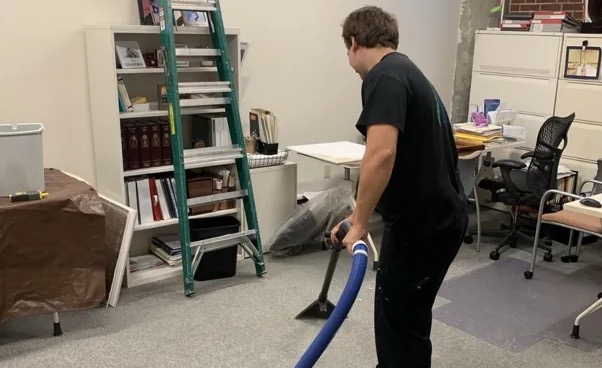
Expert Water-Damaged Flooring Removal for Corona Homes
For properties in Corona, removing wet carpet is often the first step after a spill or flood. Soaked pad holds water against the subfloor, where it causes odors and rot.
In Corona, ZIP codes 92879, 92880, 92881, 92882, 92883, 92877 and 92878, wet carpet and hardwood are frequent calls after indoor flooding. Local pros remove surface water and dry hidden moisture underneath.
Detailed Water-Damaged Flooring Removal Procedures
Tile Floor Water Cleanup
After slab leaks or floods, pros check the adhesive and underlayment and remove tile only if needed.
Wet Carpet Removal
After a plumbing failure, pros extract water and cut out soaked carpet and pad so the subfloor can dry.
Floor Moisture Inspection
Pros photograph meter readings, giving objective evidence of the damage for your insurance claim.
Emergency Floor Water Extraction
Truck-mounted or portable extractors remove standing water fast, which can reduce how much flooring must go.
Subfloor Drying Services
A wet subfloor wicks water into walls and joists, so pros dry it fully before new flooring goes in.
When to Consider Water-Damaged Flooring Removal for Your Floors
Vinyl Flooring Seam Separation
Seams pulling apart in vinyl plank or sheet flooring show moisture has weakened it.
Condensation Under Floor Mats
Dampness under area rugs or mats suggests high moisture in the floor below.
Discolored or Stained Flooring
Dark stains on carpet, grout or wood show the floor has stayed damp for too long.
Loose or Lifting Floor Tiles
Loose tiles or bubbling laminate planks show the adhesive or core has been weakened by water.
How Water-Damaged Flooring Removal Works in Corona
Step 1: Floor Moisture Inspection
Meters map moisture in floors, walls and subfloors to define exactly what must be removed.
Step 2: Waterlogged Floor Removal
Ruined carpet, pad, tile or planks are cut out and removed from the water-damaged area.
Step 3: Structural Drying Procedures
Air movers and dehumidifiers work together to dry the subfloor and framing thoroughly.
Step 4: Final Verification and Cleanup
Readings confirm the area is dry, and debris is cleared for the next construction step.
Typical Reasons for Water-Damaged Flooring Removal in Corona
Fire Suppression System Activation
An accidental sprinkler discharge releases a large amount of water onto floors quickly.
Foundation or Slab Leaks
Cracks in a foundation or slab let groundwater seep up into the flooring above.
Natural Flooding Events
Heavy rain or overflowing streams can push floodwater onto ground-floor flooring and rugs.
Appliance Leaks and Overflows
Leaking dishwashers, washing machines or water heaters can flood floors with a lot of water.
Water-Damaged Flooring Removal for All Properties in Corona
Residential Water-Damaged Flooring Removal
At home, pros map moisture under floating floors and around toilet bases to plan removal and drying precisely.
Commercial Water-Damaged Flooring Removal
Commercial entryways and break rooms need wet vinyl removed quickly and the concrete slab prepared for new flooring.
The Risks of DIY Water-Damaged Flooring Removal in Corona
For a minor leak under a sink, run a fan over the floor and empty the cabinet. Do not pull up carpet or fixed flooring yourself, since that can cause more damage; call extraction pros.
Pricing for Water-Damaged Flooring Removal Services in Corona
How much flooring must come out and any subfloor repair or leveling before new flooring shape the final cost.
Access and Complexity
Moving furniture, glued vinyl or tight room access all add labor time.
Affected Square Footage
Larger wet areas need more labor time, hauling and disposal for the job.
Emergency Response
Emergency removal after hours may be priced higher than scheduled daytime work.
Does Insurance Cover Water-Damaged Flooring Removal?
Coverage depends on your policy and the cause of the water. Local water removal pros document the damage with photos and moisture readings for your claim.
Why Choose Local Water Extraction Pros for Water-Damaged Flooring Removal in Corona
IICRC-Standard Drying Methods
Drying follows accepted industry methods so subfloors and nearby materials are fully dried.
Proper Material Handling
Hardwood and tile are handled carefully so salvageable materials are not damaged further.
Detailed Damage Documentation
Photos and moisture logs give clear evidence of the damage for your insurance claim.
24/7 Emergency Water-Damaged Flooring Removal in Corona
Emergency floor water extraction is available around the clock at (951) 584-3629. Acting quickly limits how far water spreads and how much flooring must come out.
Call Now (951) 584-3629Water-Damaged Flooring Removal in Corona and Other Areas Served
The places below are also served, and each one has its own page.
- Water-Damaged Flooring Removal in El Cerrito
- Water-Damaged Flooring Removal in Norco
- Water-Damaged Flooring Removal in Eastvale
- Water-Damaged Flooring Removal in Pedley
- Water-Damaged Flooring Removal in Jurupa Valley
- Water-Damaged Flooring Removal in Banning
- Water-Damaged Flooring Removal in Hemet
- Water-Damaged Flooring Removal in Lake Elsinore
Common Water-Damaged Flooring Removal Questions Answered
How do pros document damage for insurance?
Pros take detailed photos and moisture readings at several points and put them in a report for your claim.
Can water-damaged hardwood floors be saved?
Sometimes, if drying starts promptly, but severe cupping or swelling usually means the boards are replaced.
What tools are used for floor water extraction?
Truck-mounted or portable extractors pull water from carpet and pad before any material is removed.
How is tile floor water damage assessed?
A moisture check looks for water under the tiles; if the grout or subfloor is soaked, some tile may come up.
How quickly should wet carpet removal begin?
As soon as possible, ideally within hours, before stains, odors and subfloor damage set in.