Corona, CA · Riverside County
Emergency Damage Restoration in Corona, CAStructural Drying Services & Emergency Water Extraction
Emergency Damage Restoration in Corona includes storm damage repair, sewage backup cleanup and emergency water removal, day or night.
Answered 24/7
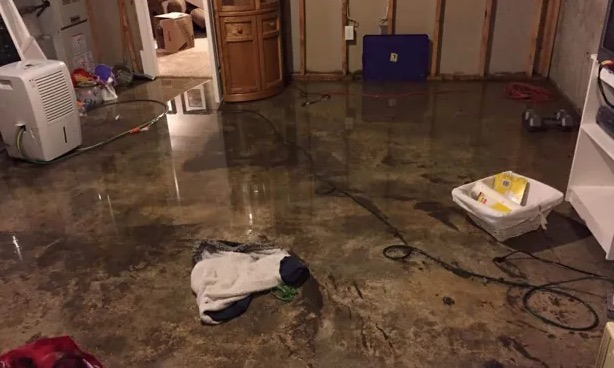
Around-the-Clock Emergency Damage Restoration in Corona
After a storm in Corona, water can come in through the roof, windows, doors and walls at once. The damage may cover several rooms and floors.
A storm in Corona can damage many buildings at once. Local flood restoration professionals serve Corona and nearby El Cerrito, Norco and Eastvale, with help available around the clock.
Comprehensive Emergency Damage Restoration Services for Corona
Structural Drying Services
Air movers and dehumidifiers dry walls, subfloors and framing after extraction, with readings taken daily until each material is normal.
Emergency Water Extraction
When water is spreading, pumps and extractors go in as soon as the source is shut off, pulling water from floors, carpet and low spots first.
Mold Remediation Services
The moisture source is stopped first, since mold returns if materials keep getting wet.
Firefighting Water Cleanup
After a fire, firefighting water soaks ceilings, walls and floors well beyond the burned area. That water is extracted and those rooms are dried.
Storm Damage Repair
Storm water is cleared from ceilings, walls and floors, and wet insulation and drywall are removed where needed so the structure can dry.
Signs That Require Emergency Restoration in Corona
Visible Water Pooling or Dripping
Water pooling on floors or dripping from ceilings means an active leak that needs attention right now.
Peeling Paint or Blistering Wallpaper
Paint that peels or wallpaper that blisters usually has water behind it.
Gaps or Damage After a Storm
Missing shingles, broken windows or other storm damage can let rain into the building during the next storm.
Unexplained Spike in Water Bills
A sudden jump in the water bill with no change in use can point to a hidden leak.
How Emergency Damage Restoration Works in Corona
Step 1: Initial Inspection and Documentation
Photos and readings record the damage before cleanup begins, for insurance and planning.
Step 2: Emergency Water Extraction Services
Extraction continues room by room until no standing water remains anywhere in the building.
Step 3: Drying and Monitoring
Readings are logged daily, and equipment is moved as each area dries.
Step 4: Final Sanitization and Odor Removal
Affected areas are cleaned, and lingering odors are traced and treated before handover.
Frequent Sources of Disaster Damage in Corona
Sewer Line Blockages or Failures
Blocked or broken sewer lines push wastewater up into floor drains, tubs and toilets.
Firefighting Water
Water from hoses and sprinklers used to put out a fire soaks rooms throughout the building.
Appliance Malfunctions and Overflows
Washers, water heaters and dishwashers fail without warning and flood nearby rooms.
Roof Leaks From Storm Damage
Storm-damaged roofs let rain pour into attics, ceilings and the rooms below.
Emergency Damage Restoration for Residential & Commercial Properties in Corona
Residential Emergency Damage Restoration
Homeowners after a fire often find water damage in rooms the fire never touched. Those rooms are extracted and dried first.
Commercial Emergency Damage Restoration
Commercial buildings after a sprinkler discharge may have water on several floors. Each floor is extracted and dried in order.
Professional Emergency Damage Restoration or DIY Repair in Corona
A small spill on a hard floor can be mopped and dried with a fan. Water in carpet pad, walls or subfloors needs extraction and drying equipment.
What Influences Emergency Damage Restoration Expenses in Corona
The cost of emergency damage restoration in Corona depends on how much water there is, what type it is and how many rooms and materials it reached.
Secondary Damage
Damage that spread because water sat for days adds more materials to remove and replace.
Equipment Needs
The number of pumps, extractors, air movers and dehumidifiers needed affects the total cost.
Damage Extent
More rooms and materials affected means more extraction, removal and drying time.
Does Insurance Cover Emergency Damage Restoration?
Photograph the water, the source and damaged belongings before cleanup starts, and keep receipts for emergency extraction, tarping and any hotel stay.
Advantages of Hiring Local Pros in Corona for Emergency Damage Restoration
Structural Checks
Floors, ceilings and framing are checked for weakness before and during the work.
Damage Assessment
The whole affected area is checked, including rooms next to and below the source.
Industry Methods
Extraction and drying follow industry water damage standards, with readings at every visit.
Always-Available Emergency Damage Restoration for Corona
Water emergency in Corona? Shut off the source, turn off power to wet areas if safe and call (951) 584-3629. Help is available 24/7.
Call Now (951) 584-3629Emergency Damage Restoration Coverage Area for Corona, CA
The places below are also served, and each one has its own page.
- Emergency Damage Restoration in El Cerrito
- Emergency Damage Restoration in Norco
- Emergency Damage Restoration in Eastvale
- Emergency Damage Restoration in Pedley
- Emergency Damage Restoration in Jurupa Valley
- Emergency Damage Restoration in Banning
- Emergency Damage Restoration in Hemet
- Emergency Damage Restoration in Lake Elsinore
Your Emergency Damage Restoration Questions Addressed
How long do structural drying services take?
Often several days, depending on the materials, how long they were wet and how much water there was.
What happens to water damage after a fire?
Firefighting water is extracted, soaked materials are removed and the rooms around the fire are dried.
How does Emergency Damage Restoration usually start?
With a call, a safety check, stopping the water source and extracting standing water as soon as possible.
How is hidden moisture found during an inspection?
Moisture meters and thermal cameras show water inside walls, under floors and above ceilings.
What happens during the structural drying phase?
Air movers and dehumidifiers run continuously, and readings are taken daily until materials are dry.