Alessandro Heights, CA · Riverside County
Mold Structural Damage Restoration in Alessandro Heights, CAPost-Remediation Structural Drying & Mold Infested Drywall Removal
When mold causes structural damage in Alessandro Heights, Mold Structural Damage Restoration involves mold infested drywall removal, structural wood mold treatment, and HVAC duct mold cleaning.
Answered 24/7
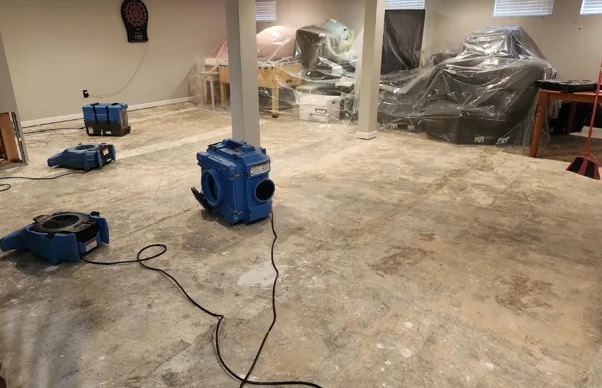
Mold Structural Damage Restoration Experts Serving Alessandro Heights
In the Alessandro Heights community in Riverside, leaks and floods can let mold grow inside walls and under floors. Early intervention limits the scope of required repairs.
In Alessandro Heights, the work includes removing moldy flooring and drying the structure. Nearby places like Woodcrest, Canyon Crest and Box Springs share similar restoration needs. Local water damage restoration experts use IICRC-standard methods for mold remediation and cleanup.
Detailed Mold Structural Damage Restoration Offerings in Alessandro Heights
Post-Remediation Structural Drying
Drying the structure completely after remediation is what seals the success of the project. Using moisture meters, the pros monitor the drying process until all materials meet dry standard specifications.
Mold Infested Drywall Removal
The pros in Alessandro Heights follow IICRC-standard methods for drywall demolition and disposal, protecting the home from cross-contamination.
Emergency Mold Containment Setup
Containment comes first when mold growth is heavy. It involves sealing off doorways, vents, and other openings with plastic sheeting and establishing negative pressure within the work area for safety.
Mold Damaged Flooring Removal
For residents in Alessandro Heights, discovering mold under flooring is a stressful event. The experts remove the materials and document the damage with photos and moisture readings.
Structural Wood Mold Treatment
Mold on structural wood can weaken it over time. Treatment cleans the wood deeply and applies antimicrobial products once the moisture source is fixed.
Indicators You Require Mold Structural Damage Restoration
Discolored or Deteriorating Wood
Structural beams or studs that appear darkened, stained, or soft may have advanced wood mold.
Warping or Bubbling Drywall
When drywall softens, bulges, or shows bubbles, moisture and mold are likely inside the cavity.
HVAC System With Dusty Smell
Mold in air ducts often circulates a dusty, musty odor whenever the heating or cooling runs.
Condensation on Windows or Pipes
Constant high humidity from condensation promotes mold growth on nearby structural materials and insulation.
How Mold Structural Damage Restoration Works in Alessandro Heights
Step 1: Mold Inspection and Damage Assessment
The pros begin with a detailed inspection, using tools to map moisture and locate all mold damage within the structure.
Step 2: Emergency Mold Containment Setup
To prevent spore spread, pros establish containment with barriers and negative air machines, isolating the work area from the rest of the property.
Step 3: Structural Mold Removal and Treatment
Affected materials like drywall, insulation, and wood are removed or treated. This includes removing drywall and treating structural wood.
Step 4: Post-Remediation Structural Drying
Drying equipment removes the remaining moisture from the structure so mold does not return.
Causes of Mold Structural Damage
Condensation in HVAC Ducts
Temperature differences in ductwork can create condensation, leading to mold growth inside the air distribution system.
Poor Bathroom Ventilation
Shower steam with no exhaust fan leads to moisture buildup on walls and ceilings, encouraging mold.
Leaking Window or Door Seals
Failed caulking or seals allow rainwater intrusion into wall cavities, leading to mold on framing and insulation.
Appliance Overflow Incidents
Washing machine, dishwasher, or water heater failures can flood floors and walls, starting rapid mold growth.
Home and Business Mold Structural Damage Restoration Serving Alessandro Heights
Residential Mold Structural Damage Restoration
In homes, mold structural damage restoration addresses hidden mold in wall cavities, under flooring, and within attics. The pros remove drywall, treat the subfloor and dry the structure so the home is safe again.
Commercial Mold Structural Damage Restoration
For businesses, mold can disrupt operations and affect air quality in offices, retail spaces, or warehouses. The pros remove insulation and clean ducts with containment to limit business downtime.
DIY Mold Removal vs. Professional Mold Structural Damage Restoration in Alessandro Heights
After a minor leak, you can wipe up standing water and move wet items to aid drying. If materials like drywall or flooring remain damp over 48 hours, contact the pros in Alessandro Heights for mold damage restoration before mold establishes.
Factors in Mold Structural Damage Restoration Pricing for Alessandro Heights
For mold structural damage restoration, the main cost drivers are the extent of structural compromise and the type of surfaces requiring treatment, such as wood beams or subflooring.
Structural Drying
Post-remediation structural drying duration and the number of air movers or dehumidifiers needed influence the overall timeline and cost.
Emergency Response
After-hours or weekend work to set up mold containment may cost more than scheduled work.
Material Type
Costs differ between treating porous wood studs versus non-porous materials, as each requires specific mold removal and restoration approaches.
Does Insurance Cover Mold Structural Damage Restoration?
Insurance for black mold removal and structural fixes depends entirely on your individual policy's language and endorsements. Most cover mold only when it follows a covered water incident. The pros gather evidence like mold inspection findings for your insurer. You are responsible for verifying coverage details and submitting the claim to your provider.
Why Choose Local Pros for Mold Structural Damage Restoration in Alessandro Heights
Post-Remediation Verification
A final check confirms spore counts are acceptable after drying and repairs.
Clear Scope Communication
You receive a clear explanation of necessary steps, from mold contaminated insulation removal to final repairs.
Thorough Drying Protocols
Post-remediation structural drying uses industrial equipment to remove residual moisture from rebuilt cavities and materials.
24/7 Emergency Mold Structural Damage Restoration in Alessandro Heights
For emergency mold containment setup to stop structural damage from spreading, call (951) 584-3629 at any hour. Early work by the pros can help secure the area and begin assessment.
Call Now (951) 584-3629Mold Structural Damage Restoration in Alessandro Heights and Other Areas Served
Other places served are listed below, each with its own page.
- Mold Structural Damage Restoration in Woodcrest
- Mold Structural Damage Restoration in Riverside
- Mold Structural Damage Restoration in Box Springs
- Mold Structural Damage Restoration in Grand Terrace
- Mold Structural Damage Restoration in Loma Linda
- Mold Structural Damage Restoration in Mead Valley
- Mold Structural Damage Restoration in Redlands
- Mold Structural Damage Restoration in Highgrove
Mold Structural Damage Restoration FAQs
How is mold contaminated insulation removal performed?
Affected insulation is carefully bagged and removed, the cavity is cleaned and treated, and new insulation is installed only after the area passes mold inspection and is fully dry.
How does black mold removal differ from regular mold cleanup?
Black mold, or Stachybotrys, often indicates prolonged moisture and may require more stringent containment and removal protocols due to potential health concerns, but the structural repair steps are similar.
Why is emergency mold containment setup important?
Containment with plastic sheeting and negative air pressure isolates the work area, preventing mold spores from spreading to clean parts of your home during remediation.
What happens during post-remediation structural drying?
After mold removal and repairs, industrial dehumidifiers and air movers dry out new materials and adjacent structures to prevent residual moisture from causing new mold growth.
Why is structural drying a separate phase after mold removal?
Drying removes moisture left from the leak or the remediation, which prevents mold from coming back.