Mead Valley, CA · Riverside County
Mold Structural Damage Restoration in Mead Valley, CAHVAC Duct Mold Cleaning & Mold Infested Drywall Removal
When mold causes structural damage in Mead Valley, Mold Structural Damage Restoration involves mold infested drywall removal, structural wood mold treatment, and HVAC duct mold cleaning.
Answered 24/7
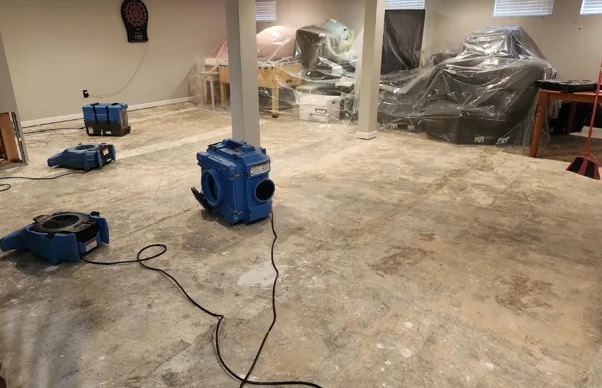
Mold Structural Damage Restoration Services for Riverside County
Structural damage from mold in Mead Valley can silently spread through walls and floors, requiring immediate attention to halt deterioration and protect your investment. Black mold removal is often part of the work.
In Mead Valley and nearby areas like March Air Force Base, Woodcrest and Good Hope, structural mold usually comes from water that was never fixed. Properties benefit from quick action to prevent further compromise. Local structural damage restoration pros remove black mold and repair the structure afterward.
Mold Structural Damage Restoration Services for Mead Valley
HVAC Duct Mold Cleaning
Dark, damp ductwork is a common place for mold. Cleaning uses tools that reach deep into the system and remove mold without blowing it into the living space.
Mold Infested Drywall Removal
Local mold remediation pros in Mead Valley handle damaged drywall carefully. They set up containment, remove the material, and sanitize underlying studs to prevent regrowth.
Structural Wood Mold Treatment
Mold can break down wood fibers over time and weaken framing. Treatment cleans the wood and stops further decay, and badly weakened pieces are replaced.
Mold Contaminated Insulation Removal
In homes throughout Mead Valley, a census-designated place in Riverside County, attic or wall insulation often holds hidden mold. The pros conduct thorough removal to address both mold and moisture.
Post-Remediation Structural Drying
Drying after remediation keeps mold from returning. The pros set up targeted drying systems to eliminate residual moisture.
Indicators You Require Mold Structural Damage Restoration
Condensation on Windows or Pipes
Constant high humidity from condensation promotes mold growth on nearby structural materials and insulation.
Visible Mold Patches on Walls
Dark spots or fuzzy mold on drywall or wood surfaces indicate active mold damage behind the surface.
Cracking or Splitting Wood Joints
As mold weakens structural wood, joints and supports may start to show physical stress cracks.
HVAC System With Dusty Smell
Mold in air ducts often circulates a dusty, musty odor whenever the heating or cooling runs.
How Mold Structural Damage Restoration Works in Mead Valley
Step 1: Source Stopping and Containment
The first action is to stop the water source if active and set up emergency mold containment to limit cross-contamination immediately.
Step 2: Systematic Demolition of Damaged Parts
Compromised structural elements are methodically removed. This often means removing drywall and opening subfloors.
Step 3: Deep Drying of Building Cavities
Industrial dehumidifiers and air movers dry wall cavities, joist bays, and subfloors thoroughly, a key phase in structural drying.
Step 4: Reconstruction Preparation and Documentation
Pros prepare the clean, dry area for rebuilding and provide documentation like photos and readings for your insurance claim review.
What Causes Mold Structural Damage
Roof Leaks Into Attics
Water intrusion from damaged shingles or flashing soaks insulation and wood, creating ideal mold growth conditions.
Flooding From Storms
Stormwater entering a home saturates porous building materials, requiring drying to prevent structural mold damage.
Leaking Window or Door Seals
Failed caulking or seals allow rainwater intrusion into wall cavities, leading to mold on framing and insulation.
Improper Drying After Water Damage
Incomplete drying after any water incident leaves hidden moisture that turns into mold within days.
Both Residential and Commercial Mold Structural Damage Restoration in Mead Valley
Residential Mold Structural Damage Restoration
In homes, mold structural damage restoration addresses hidden mold in wall cavities, under flooring, and within attics. The pros remove drywall, treat the subfloor and dry the structure so the home is safe again.
Commercial Mold Structural Damage Restoration
For businesses, mold can disrupt operations and affect air quality in offices, retail spaces, or warehouses. The pros remove insulation and clean ducts with containment to limit business downtime.
Mold Structural Damage Restoration: Professional Help vs. Home Methods
If a musty smell suggests hidden mold, a homeowner can avoid the area and limit airflow by closing doors to contain spores temporarily. For safe black mold removal, schedule professional testing to find the full extent of the damage.
Understanding Mold Structural Damage Restoration Costs in Mead Valley
The cost of mold structural damage restoration in Mead Valley is shaped by the square footage affected and the severity of mold colonization. Materials like framing lumber and drywall also factor into the final estimate.
Emergency Response
After-hours or weekend work to set up mold containment may cost more than scheduled work.
Demolition Scope
Removing mold damaged flooring or contaminated insulation increases debris disposal costs and replacement material expenses.
Access Challenges
Hard-to-reach areas like ducts or closed subfloors take more time and tools to clean.
Does Insurance Cover Mold Structural Damage Restoration?
Insurance for black mold removal and structural fixes depends entirely on your individual policy's language and endorsements. Most cover mold only when it follows a covered water incident. The pros gather evidence like mold inspection findings for your insurer. You are responsible for verifying coverage details and submitting the claim to your provider.
Why Choose Local Pros for Mold Structural Damage Restoration in Mead Valley
Targeted Material Treatment
Each material gets its own procedure, such as structural wood versus ducts.
IICRC-Standard Remediation
Methods follow industry guidelines for safe mold abatement and structural repair, focusing on containment and proper removal.
Health-Safe Procedures
Containment and air filtration during mold infested drywall removal help protect indoor air quality in your home.
24/7 Emergency Mold Structural Damage Restoration in Mead Valley
If black mold is discovered on structural elements like studs or floor joists, contact (951) 584-3629 for 24/7 assistance. Emergency containment and remediation keep wood and drywall from deteriorating further.
Call Now (951) 584-3629Mold Structural Damage Restoration in Mead Valley and Other Areas Served
The places below are also served, and each one has its own page.
- Mold Structural Damage Restoration in March Air Force Base
- Mold Structural Damage Restoration in Woodcrest
- Mold Structural Damage Restoration in Good Hope
- Mold Structural Damage Restoration in Perris
- Mold Structural Damage Restoration in Moreno Valley Ranch
- Mold Structural Damage Restoration in Alessandro Heights
- Mold Structural Damage Restoration in Grand Terrace
- Mold Structural Damage Restoration in Loma Linda
FAQ on Mold Structural Damage Restoration in Mead Valley
Why is emergency mold containment setup important?
Containment with plastic sheeting and negative air pressure isolates the work area, preventing mold spores from spreading to clean parts of your home during remediation.
Can structural wood mold treatment save damaged beams?
If the damage is only on the surface, cleaning and antimicrobial treatment can often save the wood. Badly weakened load-bearing members may need to be reinforced or replaced by a contractor.
How long does mold structural damage restoration typically take?
The timeline depends on the scope, but a project can range from a few days for a localized issue to a week or more for extensive structural damage repair.
Can mold remediation and structural repair happen simultaneously?
The order matters: removal and containment come first, then structural drying, then any structural repairs.
What is involved in mold structural damage restoration?
It includes assessment, containment, removal of moldy materials, treatment of the remaining structure, drying and final testing.