Highgrove, CA · Riverside County
Ceiling Water Damage Restoration in Highgrove, CARoof Leak Ceiling Water Removal & Ceiling Mold Prevention
Ceiling Water Damage Restoration in Highgrove includes ceiling leak water cleanup, ceiling drying services, and roof leak ceiling water removal.
Answered 24/7
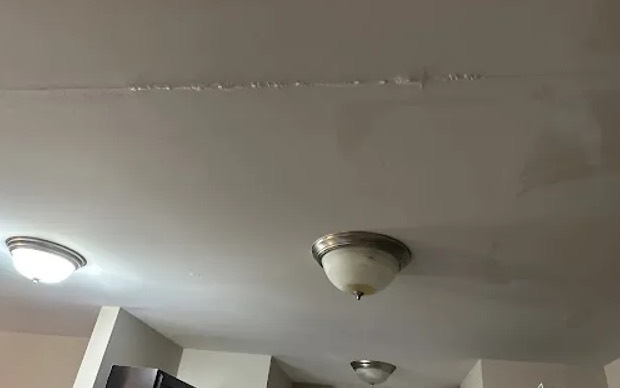
Expert Ceiling Water Damage Restoration for Highgrove
For properties in Highgrove, a census-designated place in Riverside County, effective ceiling water damage restoration hinges on rapid intervention. The initial steps include emergency water extraction and immediate commencement of the drying process to stop water from spreading into walls and insulation.
Ceiling water damage restoration in Highgrove and nearby areas like Grand Terrace, Downtown Riverside and Colton requires a methodical approach to address leaks and hidden moisture. Local water damage pros focus on preventing structural compromise and mold growth in these communities through extraction and drying.
Detailed Ceiling Water Damage Restoration Process in Highgrove
Roof Leak Ceiling Water Removal
A roof leak requires ceiling water removal to protect your home's interior. Water is extracted from insulation and cavities, then air movers and dehumidifiers start drying.
Ceiling Mold Prevention
Moisture left after a leak invites mold growth on ceilings. Prevention involves drying verified by moisture meters and the application of EPA-registered solutions by the pros to inhibit spore development.
Wet Ceiling Drywall Removal
Wet drywall in a ceiling can sag and eventually collapse. Careful cutting keeps dust down and leaves a clean edge for repair.
Ceiling Leak Water Cleanup
Ceiling leak cleanup involves extracting water from both the visible surface and the hidden spaces above. Moisture meters map the damp areas.
Emergency Ceiling Water Extraction
The emergency extraction service provided by local pros involves water removal from the affected area, helping to stabilize the situation and prepare for the drying phase.
Ceiling Water Damage: Visible Signs
Musty Odors in Room
A persistent musty smell suggests hidden moisture and potential mold growth on ceiling. A moisture detection ceiling inspection can locate the source.
Persistent Dripping Sounds
Hearing constant dripping from above often means an active leak. Emergency ceiling water extraction can stop further ceiling water damage.
Soft Spots to the Touch
A ceiling that feels soft or spongy when pressed is waterlogged. Wet ceiling repair by the pros are urgently needed.
Water Stains on Ceiling
Brown or yellowish water stains on your ceiling signal moisture intrusion. Treating stains early prevents bigger damage.
How Ceiling Water Damage Restoration Works in Highgrove
Step 1: Initial Assessment and Safety Securing
First, the experts assess the damage and secure the area for safety, including electrical concerns.
Step 2: Water Mitigation and Extraction
Using submersible pumps and extractors, they perform emergency water extraction from the ceiling cavity. This stops the damage from spreading.
Step 3: Controlled Drying and Dehumidification
A strategic array of drying equipment creates a controlled environment to evaporate moisture. This controlled ceiling drying process safeguards against secondary mold damage.
Step 4: Sanitization and Mold Prevention
Affected structural members are cleaned and treated with antimicrobial agents. This sanitization is a key part of ceiling mold cleanup and long-term prevention.
Ceiling Water Damage: Typical Causes
HVAC Condensation Drainage Issues
A clogged condensate drain line from an attic air handler can overflow. This constant drip causes significant ceiling water damage over time.
Poor Attic Ventilation
Inadequate attic ventilation traps heat and moisture against the roof deck. This condensation can drip onto insulation and ceiling drywall below.
Foundation or Wall Cracks
Water entering through foundation cracks can wick up through walls and, over time, reach lower ceilings and drywall.
Failed Appliance Connections
A leaking washing machine, water heater, or ice maker line upstairs can fail. The water often travels along floor joists to damage the ceiling underneath.
Residential and Commercial Ceiling Water Damage Restoration in Highgrove
Residential Ceiling Water Damage Restoration
The pros in Highgrove coordinate drying, removal of damaged materials, and reconstruction. Their detailed moisture inspection report helps provide information to the insurer.
Commercial Ceiling Water Damage Restoration
The experts implement containment strategies to limit the spread, performing ceiling water damage repair with minimal disruption to other tenants. They provide clear documentation to assist with liability determinations.
Why Ceiling Water Damage Restoration is a Job for Water Restoration Pros
After a minor leak, a wet-dry vacuum can remove standing water if safe. Fans may help surface drying. For ceiling drying services that prevent hidden mold, the specialized equipment of the pros are required.
Understanding Ceiling Water Damage Restoration Cost in Highgrove, CA
In Highgrove, cost can include extras like mold treatment or a minor roof repair before the interior work starts.
Emergency Service Timing
Emergency ceiling water extraction calls outside standard business hours may involve premium rates for after-hours work to halt worsening damage.
Cosmetic Finish Restoration
After wet ceiling drywall removal and replacement, repainting, re-texturing, and ceiling water stain removal work contribute to the final restoration cost.
Ceiling Material Type
Drywall, plaster and textures like popcorn ceilings differ in material and labor costs.
Does Insurance Cover Ceiling Water Damage Restoration?
Coverage for wet ceiling repair from a roof leak may hinge on policy provisions about roof maintenance and wind or hail. The pros provide clear evidence of the damage and repairs required. Final claim approval is at the insurer's discretion.
Advantages of Hiring Local Pros in Highgrove
24/7 Emergency Response
Quick action on emergency ceiling water extraction limits the spread of water and minimizes the area of drywall or insulation that is ultimately ruined.
Industry-Standard Drying Methods
Drying prevents hidden moisture and mold in the ceiling cavity and attic.
Controlled Demolition Approach
Precise wet ceiling drywall removal preserves undamaged materials and allows for targeted drying of wooden framing, reducing overall repair scope and cost.
Around-the-Clock Emergency Ceiling Water Damage Restoration in Highgrove
Ceiling collapse risk increases the longer water sits. For immediate emergency ceiling water extraction in Highgrove to stabilize the situation, call the pros at (951) 584-3629.
Call Now (951) 584-3629Communities Served for Ceiling Water Damage Restoration
The places below are also served, and each one has its own page.
- Ceiling Water Damage Restoration in Grand Terrace
- Ceiling Water Damage Restoration in Colton
- Ceiling Water Damage Restoration in Alessandro Heights
- Ceiling Water Damage Restoration in Loma Linda
- Ceiling Water Damage Restoration in Mead Valley
- Ceiling Water Damage Restoration in Moreno Valley Ranch
- Ceiling Water Damage Restoration in Redlands
- Ceiling Water Damage Restoration in Riverside
Ceiling Water Damage Restoration Information and Answers
Is ceiling moisture inspection needed after the drying equipment is removed?
Yes. A final moisture check confirms the framing and insulation are dry before repairs begin.
Are ceiling water stain removal chemicals safe for indoor air?
Professional-grade stain removal products are designed for indoor use. The area is ventilated during application, and any residues are cleaned according to product safety guidelines.
What is the goal of local water damage restoration for a ceiling?
The aim is to dry, clean and repair the ceiling while preventing mold in the cavity above.
What are signs of mold growth on a ceiling after a leak?
Look for discolored patches, black speckling, a musty odor, or peeling paint. A moisture detection ceiling inspection can confirm hidden mold behind the drywall before it becomes visible.
How does ceiling mold prevention work during restoration?
After drying, the pros apply EPA-registered antimicrobial agents to cleaned ceiling surfaces and cavity framing to inhibit spore germination and mold in the previously wet environment.