Canyon Crest, CA · Riverside County
Ceiling Mold Removal in Canyon Crest, CAEmergency Ceiling Mold Removal & Ceiling Mold Testing
Ceiling Mold Removal involves inspection, removal and cleanup for ceiling mold in Canyon Crest.
Answered 24/7
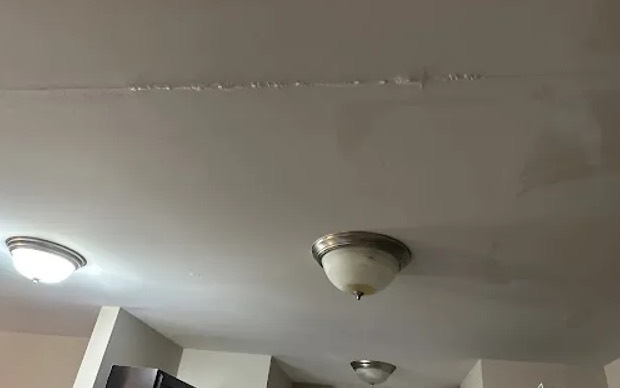
Professional Ceiling Mold Removal in Canyon Crest, CA
In Canyon Crest, ceiling mold can stem from roof leaks or condensation. Ceiling mold inspection reveals the moisture source and affected area. Mold on ceiling removal stops further degradation of building materials.
In the Canyon Crest community in Riverside, ceiling mold testing helps identify hidden problems. Local mold remediation pros perform toxic mold removal and emergency ceiling mold removal. They work in the area and communities like Box Springs, Alessandro Heights and Downtown Riverside.
Comprehensive Ceiling Mold Removal Offerings in Canyon Crest
Emergency Ceiling Mold Removal
Emergency ceiling mold removal focuses on rapid containment and drying. Local ceiling mold removal pros in Canyon Crest stop the moisture source and remove contaminated materials. A professional service can limit the remediation scope.
Ceiling Mold Testing
Mold testing for ceilings involves sampling and comparing to outdoor baseline levels. The pros use this data to gauge contamination severity. Accurate testing informs the needed scope for homes in Canyon Crest.
Ceiling Mold Prevention
Effective ceiling mold prevention addresses interior and exterior factors. The pros consider gutter maintenance, insulation, and exhaust fans. These steps help mitigate moisture buildup for ceilings in Canyon Crest.
Ceiling Mold Inspection
Inspecting for ceiling mold involves more than spotting visible patches. The pros examine ventilation, humidity, and water intrusion points to understand the cause. This guides remediation for a lasting solution in Canyon Crest.
Ceiling Mold Remediation
Ceiling mold remediation includes removal, cleaning, and restoration. The pros in Canyon Crest follow a set protocol. It involves containment, air filtration, and antimicrobial treatment.
Indicators for Ceiling Mold Removal in Canyon Crest Homes
Recent Water Damage on the Ceiling
Any past or recent leak that left a water stain is a prime location for ceiling mold to begin growing.
Condensation on Windows or Walls
High indoor humidity causing condensation can also lead to moisture accumulation on ceilings, fostering mold growth.
Increased Allergy or Asthma Symptoms
Unexplained allergy flare-ups like sneezing or itchy eyes at home can be a reaction to mold spores from a ceiling.
History of Roof or Plumbing Leaks
Past leaks from roofs or upstairs plumbing are a major cause of recurring ceiling mold problems needing expert removal.
How Ceiling Mold Removal Works in Canyon Crest
Step 1: Emergency Ceiling Mold Removal Response
For urgent cases, the pros in Canyon Crest provide a professional service to contain the hazard. They secure the area to prevent further exposure or damage.
Step 2: Source Identification and Moisture Control
The core moisture problem, like a leak, is located and stopped. Controlling the water source is essential before any ceiling mold cleanup can succeed.
Step 3: Affected Material Removal and Disposal
Porous materials heavily contaminated with mold, such as ceiling tiles or drywall, are removed and bagged for proper disposal following local regulations.
Step 4: HEPA Vacuuming and Antimicrobial Treatment
Remaining surfaces are HEPA vacuumed and treated with EPA-registered antimicrobial agents to eliminate residual mold spores and inhibit future growth.
Typical Sources of Ceiling Mold in Canyon Crest
Slow Leaks From Appliance Supply Lines
Dripping supply lines for washing machines or refrigerators on upper floors can saturate ceilings over a long period.
Plumbing Leaks in Upper Floor Walls
Leaking pipes inside walls or above ceilings release water slowly, often causing hidden black mold on ceiling growth.
Condensation From High Indoor Humidity
High humidity levels cause condensation to form on cooler ceiling surfaces, providing the dampness mold spores need.
Past Flooding or Water Intrusion
Previous flooding events can leave residual moisture in ceiling cavities, leading to delayed ceiling mold remediation needs.
Domestic and Commercial Ceiling Mold Removal in Canyon Crest
Residential Ceiling Mold Removal
Household ceiling mold remediation targets common problem areas like kitchens and bedrooms. The pros assess the extent, including potential hidden black mold ceiling removal, to fully address the contamination.
Commercial Ceiling Mold Removal
Office buildings and warehouses require comprehensive mold removal services for ceiling infestations. Experts manage large-scale containment and debris removal, coordinating to keep business activities as undisturbed as possible during the project.
Ceiling Mold Removal: DIY Risks and Pro Benefits in Canyon Crest
After a small, fixed leak dries, repaint with mold-resistant primer and paint. This only prevents mold on a clean, dry surface. Active growth needs professional ceiling mold cleanup first.
Pricing for Ceiling Mold Removal in Canyon Crest, CA
The pros consider several cost variables. These include whether mold is on drywall, plaster, or popcorn texture. The need for containment and air filtration also influences the price.
Local Disposal Regulations
Proper bagging and disposal of mold-contaminated materials according to local guidelines incur specific fees that are part of the service cost.
Ceiling Material and Accessibility
Removing mold from textured popcorn ceilings or high vaulted ceilings often requires more time and careful techniques than working on flat drywall.
Emergency Service Timing
Responding to urgent ceiling mold situations outside of standard business hours may involve different rate structures for the professional service and work.
Does Insurance Cover Ceiling Mold Removal?
Homeowners insurance may contribute to ceiling mold remediation costs if linked to a covered peril. Insurers investigate the moisture origin. The homeowner files the claim and discusses covered services with their provider.
The Value of Local Pros for Ceiling Mold Removal in Canyon Crest
Advanced Air Filtration
HEPA air scrubbers run continuously during ceiling mold cleanup to capture airborne spores and maintain air quality in the contained work area.
Comprehensive Ceiling Mold Cleanup
The process includes cleaning of adjacent surfaces and affected belongings to remove settled spores following the primary removal work.
Ceiling Mold Prevention Guidance
After removal, insights on controlling indoor humidity and ventilation can be offered to help discourage future mold growth on ceilings.
Immediate Emergency Ceiling Mold Removal Response in Canyon Crest
Suspected toxic mold in your ceiling requires an urgent professional assessment. Do not disturb the area. For emergency ceiling mold removal services, you can initiate contact by dialing (951) 584-3629.
Call Now (951) 584-3629Ceiling Mold Removal Service Area Including Canyon Crest, CA
Other places served are listed below, each with its own page.
Your Ceiling Mold Removal Questions Addressed
What is involved in professional ceiling mold removal?
The process includes inspection, containment of the area, safe removal of contaminated materials, HEPA vacuuming and cleaning, air scrubbing, and addressing the moisture source to prevent recurrence.
Are there health risks from mold on ceiling removal attempts?
Disturbing mold without proper containment can release a high concentration of spores into the air, potentially causing allergic reactions or respiratory issues for occupants.
How quickly should I act after discovering ceiling mold?
Prompt action is recommended to prevent further spread and potential structural damage. For significant growth, contact the specialists for an assessment without delay.
When is ceiling mold testing recommended?
Testing is advised if you suspect hidden mold, to identify the mold type after visible discovery, or as a post-remediation clearance check to confirm the area is safe.
What causes water damage ceiling mold to grow?
Mold grows on ceilings due to excess moisture, commonly from roof leaks, plumbing issues in upstairs bathrooms, condensation from poor attic ventilation, or lingering humidity after a spill.