March Air Force Base, CA · Riverside County
AC Fire Restoration in March Air Force Base, CAFire Damaged Ductwork Cleaning & AC Smoke Odor Removal
AC Fire Restoration for March Air Force Base involves AC unit fire damage cleanup, fire damaged ductwork cleaning, and AC smoke odor removal.
Answered 24/7
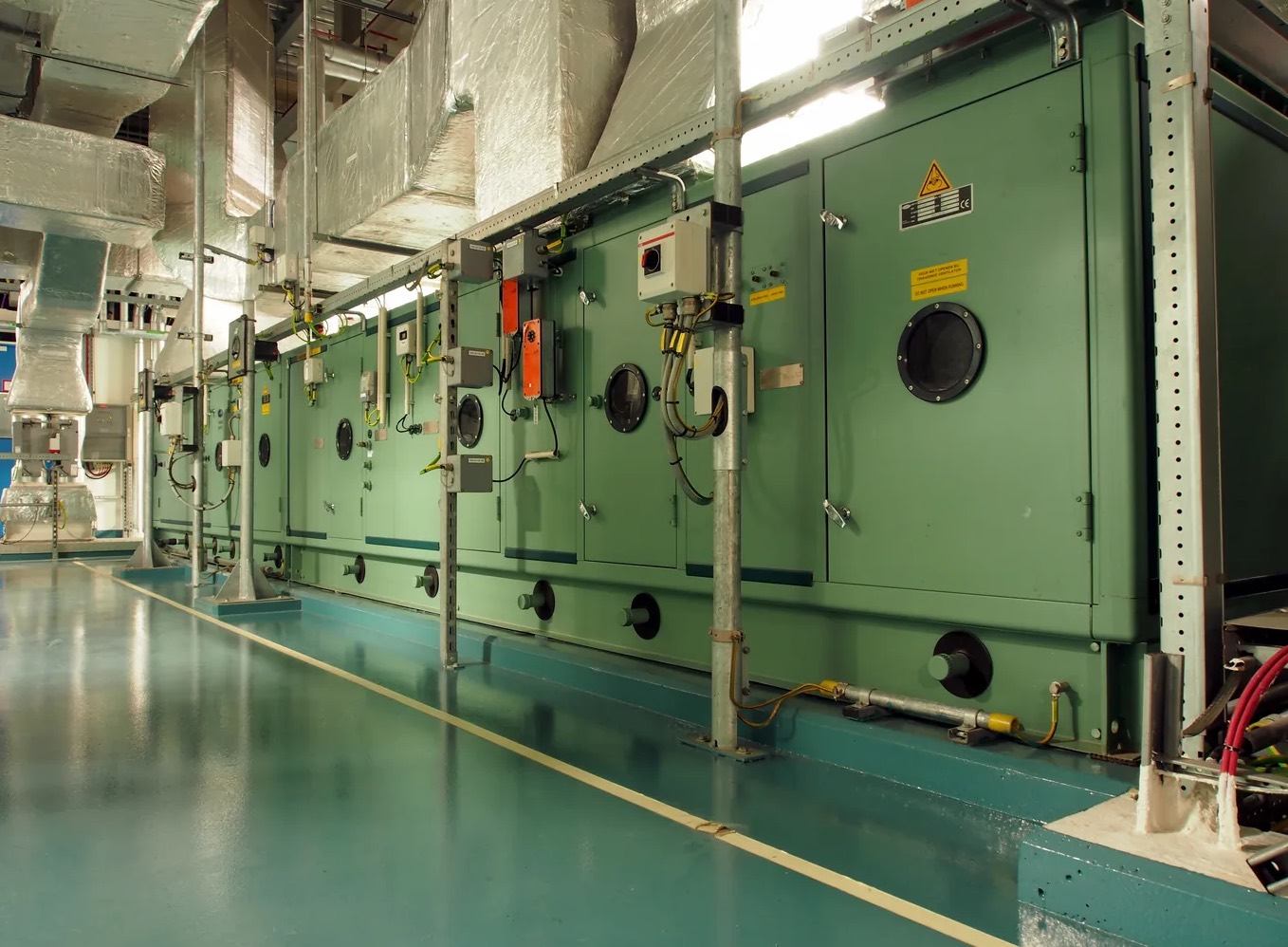
Get AC Fire Restoration Help in March Air Force Base, California
When a fire affects your AC unit in the March Air Force Base area, it can leave behind persistent smoke odors and conductive soot that risks electrical shorts. A fast start limits corrosion and the spread of soot.
For March Air Force Base residents, a damaged AC system affects comfort and indoor air, so fire damage restoration must be thorough and reliable. Local fire damage restoration experts handle the full scope from emergency AC fire restoration to final odor removal.
Comprehensive AC Fire Restoration for March Air Force Base Homes
Fire Damaged Ductwork Cleaning
Professional cleaning not only removes visible residue but also neutralizes these corrosive elements to protect the longevity of your entire ventilation system.
AC Smoke Odor Removal
Smoke compounds bind to coils, fins and duct liners. Odor removal combines cleaning, sealing and deodorizing.
Air Conditioner Soot Removal
Specialized removal techniques are necessary for AC coils, fan blades, and electrical panels to restore function and appearance after a fire incident in your property.
HVAC Smoke Residue Removal
In March Air Force Base, HVAC smoke residue removal involves accessing and cleaning supply and return vents, the plenum, and the air handler cabinet. This comprehensive approach addresses the hidden pathways smoke uses to travel.
Post-Fire AC System Sanitization
Post-fire AC system sanitization addresses mold that can follow smoke and water damage.
Signs Your AC Needs Fire Damage Restoration
Irritation From Indoor Air Quality
Increased allergy symptoms or respiratory irritation at home can stem from fine smoke particles circulated by your HVAC system.
Water Leaks From AC Indoor Unit
Water pooling from the air handler after a fire may indicate damaged drain lines or a compromised condensation system.
Soot Deposits on Air Vents
Visible black or gray dust around AC supply registers often indicates soot is present in your ductwork after a fire event.
Visible Soot Inside AC Unit
Seeing soot accumulation on the indoor coil or blower fan is a clear indicator of AC fire damage that needs cleanup.
How AC Fire Restoration Works in March Air Force Base
Step 1: On-Site Damage Scope Analysis
The pros perform an initial analysis to map the extent of contamination in your HVAC system, planning the AC fire restoration process accordingly.
Step 2: Aggressive Soot and Smoke Cleaning
This phase involves aggressive HVAC smoke residue removal from all mechanical parts and duct interiors, using industry-approved cleaning agents and equipment.
Step 3: Detailed Component-By-Component Repair
Each AC component is inspected and cleaned individually. Damaged wiring or motors are marked for repair or replacement.
Step 4: Final Air Filtration and Balancing
To complete the fire and smoke restoration, high-efficiency air filters are installed and the system is balanced to restore proper, clean airflow throughout your property.
How AC Systems Sustain Fire Damage
Candle or Appliance Fire Residue
A contained indoor fire from candles or appliances still produces pervasive smoke that is drawn into return air vents system-wide.
Lightning Strike to HVAC System
A direct or nearby lightning strike can cause catastrophic electrical damage, potentially igniting components within the air conditioning equipment.
Kitchen Grease Fire Spread
Grease fires can quickly spread smoke and soot into kitchen vents, which then draws contamination into the central HVAC system.
Overheated Motor or Compressor
The AC compressor or blower motor can overheat due to lack of maintenance, creating a fire risk and subsequent soot damage.
Residential and Commercial AC Fire Restoration in March Air Force Base
Residential AC Fire Restoration
Corrosive soot can permanently damage AC components, so homes need cleanup. The experts can secure the system to halt further deterioration.
Commercial AC Fire Restoration
A commercial HVAC system has to be safe before the business can reopen. The specialists prioritize critical air handling units to get essential business functions back online.
AC Fire Restoration vs. DIY: When to Call Fire Damage Restoration Experts
After a small, contained fire, you can safely change your HVAC air filter with a high-efficiency filter to capture some particles. For visible soot in ducts or a lasting smoke smell, call the experts before the system spreads it further.
What Affects AC Fire Restoration Cost in March Air Force Base
The cost for AC fire restoration in March Air Force Base depends primarily on the extent of soot and smoke residue in your system. Factors like the size of your air conditioner and ductwork directly influence the cleaning time and materials required.
System Size and Type
The capacity and model of your air conditioner and HVAC ductwork determine the scale of the fire damage cleanup effort required.
Ductwork Accessibility
Easily reached ducts simplify cleaning, while enclosed or complex layouts increase the time for fire damaged ductwork cleaning.
Smoke Odor Penetration
Persistent smoke smells may need extra deodorizing passes, which adds time and equipment to the job.
Does Insurance Cover AC Fire Restoration?
Whether emergency AC fire restoration is covered involves your policy's language about sudden and accidental damage. The experts focus on proper documentation of the soot and smoke damage cleanup for your claim file.
Selecting Local Experts for AC Fire Restoration in March Air Force Base
Industry-Standard Cleaning Protocols
Soot and residue removal follows industry guidelines for coils, blowers, ducts and other HVAC parts.
Electrical Safety Assessment
An AC electrical damage assessment checks components before cleaning to help identify potential safety issues.
Detailed Damage Documentation
Systematic documentation of fire damage supports your insurance review process with photos and condition reports.
March Air Force Base Emergency AC Fire Restoration Services
Smoke cleanup should start quickly, before residue hardens in the HVAC system. Reach the experts in March Air Force Base at (951) 584-3629 for 24/7 emergency fire restoration services.
Call Now (951) 584-3629AC Fire Restoration Service Area for March Air Force Base
Other places served are listed below, each with its own page.
AC Fire Restoration FAQs
What does emergency AC fire restoration include?
Emergency service includes securing the system, initial soot containment, and documentation to begin the fire and smoke restoration process.
Are air filters replaced during soot damage cleanup?
Filters are always replaced, as they are typically clogged with soot and are a primary point of contamination in the HVAC system after a fire.
What is post-fire AC system sanitization?
Post-fire AC system sanitization involves applying EPA-registered antimicrobial treatments after cleaning. It also addresses mold in damp, fire-affected ducts.
Is duct cleaning always part of AC fire restoration?
Duct cleaning is almost always recommended as part of fire damage restoration, as smoke particles readily travel through and lodge in ductwork.
How quickly should AC fire damage cleanup begin?
Cleanup should begin as soon as it is safe to do so, as soot can become more difficult to remove over time and may corrode metals.