Banning, CA · Riverside County
Mold Structural Damage Restoration in Banning, CAPost-Remediation Structural Drying & Structural Wood Mold Treatment
When mold causes structural damage in Banning, Mold Structural Damage Restoration involves mold infested drywall removal, structural wood mold treatment, and HVAC duct mold cleaning.
Answered 24/7
Mold Structural Damage Restoration Services for Riverside County
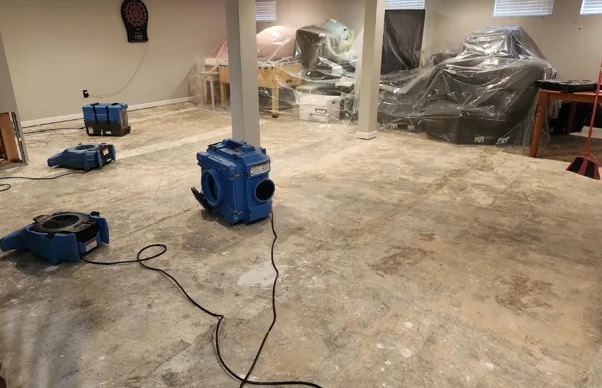
For homes in Banning, restoration is needed when water lets mold grow and weaken building materials. Drying after remediation leaves no moisture for new mold.
In Banning, the work includes removing moldy flooring and drying the structure. Nearby places like Beaumont, San Jacinto and Calimesa share similar restoration needs. Local water damage restoration experts use IICRC-standard methods for mold remediation and cleanup.
Detailed Mold Structural Damage Restoration Offerings in Banning
Post-Remediation Structural Drying
Local mold remediation pros use industrial air movers after mold removal. They bring wood and concrete moisture levels down to normal to prevent regrowth.
Structural Wood Mold Treatment
For homes in Banning with mold on framing, the wood is cleaned and treated. The pros use specialized cleaners and drying techniques to salvage the wood whenever possible, avoiding costly full replacement.
Mold Contaminated Insulation Removal
Once mold grows in insulation, it cannot be cleaned. The removal process involves establishing containment, extracting the material, and performing a final air scrub of the space to remove lingering particulate.
Mold Infested Drywall Removal
Mold growth on drywall signals that moisture has penetrated the material. The removal process involves precise cutting, bagging the debris onsite, and thorough cleaning of the adjacent surfaces. The mold is removed, not just covered up.
Mold Damaged Flooring Removal
Mold-damaged flooring removal is more than a demolition job. It involves identifying the moisture pathway, protecting unaffected areas, and preparing a clean substrate for whatever new flooring you choose.
Indicators You Require Mold Structural Damage Restoration
Insulation That Feels Damp
Wet or compacted attic or wall insulation stops insulating well and often hides mold growth.
HVAC System With Dusty Smell
Mold in air ducts often circulates a dusty, musty odor whenever the heating or cooling runs.
Cracking or Splitting Wood Joints
As mold weakens structural wood, joints and supports may start to show physical stress cracks.
Visible Mold Patches on Walls
Dark spots or fuzzy mold on drywall or wood surfaces indicate active mold damage behind the surface.
How Mold Structural Damage Restoration Works in Banning
Step 1: Detailed Moisture Mapping
Using advanced sensors, the experts create a moisture map of all affected structural areas to guide the entire mold cleanup.
Step 2: HVAC Duct Mold Cleaning
If the HVAC system is contaminated, the ducts are cleaned to stop spores circulating.
Step 3: Contaminated Material Extraction
Mold-contaminated building materials like insulation and drywall are safely removed and disposed of according to local guidelines for mold abatement.
Step 4: Structural Integrity Restoration
Remaining wood and framing are then repaired and treated against new mold.
Common Causes of Mold Structural Damage
Leaking Window or Door Seals
Failed caulking or seals allow rainwater intrusion into wall cavities, leading to mold on framing and insulation.
Condensation in HVAC Ducts
Temperature differences in ductwork can create condensation, leading to mold growth inside the air distribution system.
Flooding From Storms
Stormwater entering a home saturates porous building materials, requiring drying to prevent structural mold damage.
Appliance Overflow Incidents
Washing machine, dishwasher, or water heater failures can flood floors and walls, starting rapid mold growth.
Residential and Commercial Mold Structural Damage Restoration in Banning
Residential Mold Structural Damage Restoration
Homeowners face risks from mold in structural wood, like support beams and studs, which compromises safety. Local pros treat structural wood and dry the home to protect it and the indoor air.
Commercial Mold Structural Damage Restoration
Commercial properties need mold removed to meet health rules and protect the building. The experts set up containment and remove large areas of damaged flooring.
Calling Local Pros vs. DIY for Mold Structural Damage Restoration in Banning
If you discover a small, surface mold patch on non-porous tile or glass, you can clean it with detergent. However, for any mold on drywall, wood, or insulation, call the pros for mold structural damage restoration to prevent improper handling that spreads spores.
Cost Considerations for Mold Structural Damage Restoration in Banning
The overall expense is influenced by the scale of required containment procedures to prevent cross-contamination throughout the property. It also depends on the extended duration of structural drying often needed after remediation in enclosed spaces like wall cavities.
Structural Drying
Post-remediation structural drying duration and the number of air movers or dehumidifiers needed influence the overall timeline and cost.
Material Type
Costs differ between treating porous wood studs versus non-porous materials, as each requires specific mold removal and restoration approaches.
Containment Level
Establishing negative air pressure and sealing off work zones adds to the project scope and required equipment.
Does Insurance Cover Mold Structural Damage Restoration?
Whether a policy covers mold damage restoration hinges on the cause listed. The pros in Banning provide detailed documentation of structural damage for a homeowner to submit to their insurer. Review your policy, since your insurer makes all payment decisions.
Why Banning Properties Need Local Pros for Mold Structural Damage Restoration
Thorough Drying Protocols
Post-remediation structural drying uses industrial equipment to remove residual moisture from rebuilt cavities and materials.
Structural Damage Focus
The work prioritizes assessing and addressing compromised load-bearing elements and building materials, not just surface mold cleanup.
IICRC-Standard Remediation
Methods follow industry guidelines for safe mold abatement and structural repair, focusing on containment and proper removal.
24/7 Emergency Mold Structural Damage Restoration in Banning
For emergency mold containment setup to stop structural damage from spreading, call (951) 584-3629 at any hour. Early work by the pros can help secure the area and begin assessment.
Call Now (951) 584-3629Mold Structural Damage Restoration in Banning and Other Areas Served
Each place listed below has its own page with local details.
- Mold Structural Damage Restoration in Beaumont
- Mold Structural Damage Restoration in San Jacinto
- Mold Structural Damage Restoration in Hemet
- Mold Structural Damage Restoration in Corona
- Mold Structural Damage Restoration in Lake Elsinore
- Mold Structural Damage Restoration in Eastvale
- Mold Structural Damage Restoration in Lake Arrowhead
- Mold Structural Damage Restoration in El Cerrito
Mold Structural Damage Restoration Common Questions Answered
What are signs of structural damage from water damage mold?
Signs include soft or warped wood, sagging floors or ceilings, crumbling drywall, and musty odors, indicating moisture has compromised the material's integrity.
Does mold testing happen before and after restoration?
Pre-testing can identify spore types and levels. Testing after remediation is standard to confirm cleanup and drying worked.
Is mold infested drywall removal always necessary?
Drywall is porous and typically cannot be salvaged once mold is inside. Removal and replacement are standard to eliminate the mold reservoir and allow for structural drying.
How does black mold removal differ from regular mold cleanup?
Black mold, or Stachybotrys, often indicates prolonged moisture and may require more stringent containment and removal protocols due to potential health concerns, but the structural repair steps are similar.
How is mold and mildew removal from structural elements different?
Mildew is surface-level and can often be cleaned. Deep structural mold gets into materials, so those materials must be removed.