Bloomington, CA · San Bernardino County
Contents Restoration Services in Bloomington, CAHard Contents Cleaning & Contents Pack-Out Services
Contents Restoration Services in Bloomington covers document drying services, textile clothing restoration and electronics restoration services.
Answered 24/7
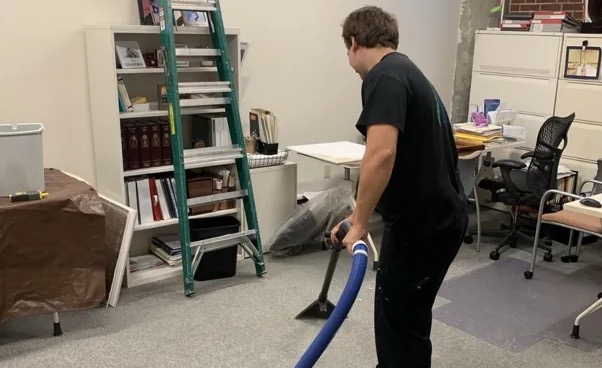
Professional Contents Restoration Services in Bloomington, CA
Electronics, art and important documents need special care after water damage in Bloomington. The wrong step, like turning on a wet laptop or drying a painting with heat, can make the damage worse.
Homeowners in Bloomington can call (951) 584-3629 day or night when water reaches furniture and belongings. Service also covers Fontana, Sunnyslope and Rialto, with the same sorting and inventory steps.
Comprehensive Contents Restoration Services in Bloomington
Hard Contents Cleaning
Metal items are dried quickly to limit rust, and wood items are dried slowly to limit cracking.
Contents Pack-Out Services
Packed contents are labeled by room, which makes it easier to return everything to the right place once the home is dry.
Document Drying Services
Wet papers, photos and books are separated, kept cool and set aside for drying. Badly soaked documents may need a document drying specialist.
Art Restoration Services
Paintings, framed art and collectibles are moved out of damp rooms first and set aside for a conservator if they got wet.
Electronics Restoration Services
Electronics that got wet are photographed and listed for insurance, and the owner decides which ones go to a repair specialist.
Indicators You Require Contents Restoration Services
Musty Smell From Stored Boxes
Boxes in closets or garages that smell musty have likely been wet from below.
Water Marks on Collectibles
Water marks, warping or loose labels on collectibles show they were exposed to moisture.
Corrosion on Electronic Contacts
Green or white crust on electronic ports and contacts is corrosion from moisture. Keep the device off.
Stiff or Discolored Fabrics
Fabrics that feel stiff, smell sour or show tide lines have been wet and need cleaning.
How Contents Restoration Services Work in Bloomington
Step 1: Safety Assessment and Item Inventory
The rooms are checked for hazards, then belongings are listed before anything is moved.
Step 2: Pack-Out for Repairs
Rooms are emptied so floors, walls and cabinets can be dried or replaced.
Step 3: Cleaning and Decontamination
Items that touched contaminated water are cleaned and disinfected, or listed for disposal.
Step 4: Final Check and Return
Items are checked for odor and moisture before they are unpacked in the finished rooms.
Common Sources of Contents Damage
Plumbing Leaks and Burst Pipes
Burst or leaking pipes soak furniture, rugs and boxes in the room and nearby closets.
Sewage Backup or Toilet Overflows
Sewage backups and toilet overflows contaminate rugs, furniture and items on the floor.
HVAC System Condensation Issues
AC drain overflows soak closets and the clothes and boxes stored inside them.
Fire Suppression System Activation
A damaged or triggered fire sprinkler can soak every item in a room.
Home and Business Contents Restoration Services
Residential Contents Restoration Services
At home, belongings carry personal value as well as cost. Family photos, papers and keepsakes are moved first, and each item is listed so nothing is lost during the work.
Commercial Contents Restoration Services
In offices and stores, contents include records, computers and stock. Items are packed and listed so the business can keep track of what was affected.
Why Contents Restoration Services Beats a Do-It-Yourself Approach
Items touched by sewage or floodwater should not be cleaned without gloves and disinfectant. For soft items like rugs and bedding, call (951) 584-3629 before deciding what to keep.
Considerations for Contents Restoration Services Investment
Moving belongings out of the water right away in Bloomington usually means more items can be saved, which keeps contents losses lower.
Post-Cleaning Validation
Final checks and the item list add some time but give you a clear record for insurance.
Item Material and Value
Fine furniture, art and electronics may need specialists, which adds to the total cost.
Restoration Complexity
Antiques and delicate pieces take more careful cleaning than everyday household items.
Does Insurance Cover Contents Restoration Services?
Many homeowner and renter policies include contents coverage for belongings damaged by sudden water leaks. Check your policy and call your insurer early.
Why Hire Local Pros for Contents Restoration Services?
Electronics Handling
Wet electronics are unplugged, kept off and set aside for a specialist to check.
Art and Collectibles Handling
Art and collectibles are moved first, kept cool and dry and set aside for a conservator.
Drying Methods
Wood is dried slowly, metal quickly and fabrics cleaned, using the method that suits each item.
24/7 Emergency Contents Restoration Services Response
Water reaching furniture and belongings in Bloomington? Move what you can to a dry room, unplug electronics and call (951) 584-3629. Help is available 24/7.
Call Now (951) 584-3629Locations Served for Contents Restoration Services
Each place listed below has its own page with local details.
- Contents Restoration Services in Fontana
- Contents Restoration Services in Rialto
- Contents Restoration Services in Jurupa Valley
- Contents Restoration Services in Highland
- Contents Restoration Services in Pedley
- Contents Restoration Services in Beaumont
- Contents Restoration Services in Colton
- Contents Restoration Services in Downtown Riverside
Contents Restoration Services FAQ for Bloomington Homeowners
How is microbial growth on wet contents handled?
Items are dried and cleaned quickly. Soft items with mold are usually discarded, and hard items are cleaned and disinfected.
Can contents soaked by sewage be saved?
Hard items can usually be cleaned and disinfected. Soft items soaked by sewage are usually discarded.
Why is quick action important for contents after water damage?
Wet belongings stain, warp and smell more every hour. Moving them quickly saves more items.
How is art restoration handled after water damage?
They are moved out of damp rooms, kept cool and dry, photographed and set aside for a conservator.
What happens to items that cannot be saved?
They are photographed and listed before disposal, so you have a record for your insurance claim.