Corona, CA · Riverside County
HVAC Fire Damage Cleanup in Corona, CAAir Quality Testing Post-Cleanup & HVAC Fire Damage Cleanup
Air duct soot removal, HVAC filter replacement, and smoke odor neutralization are part of HVAC Fire Damage Cleanup in Corona.
Answered 24/7
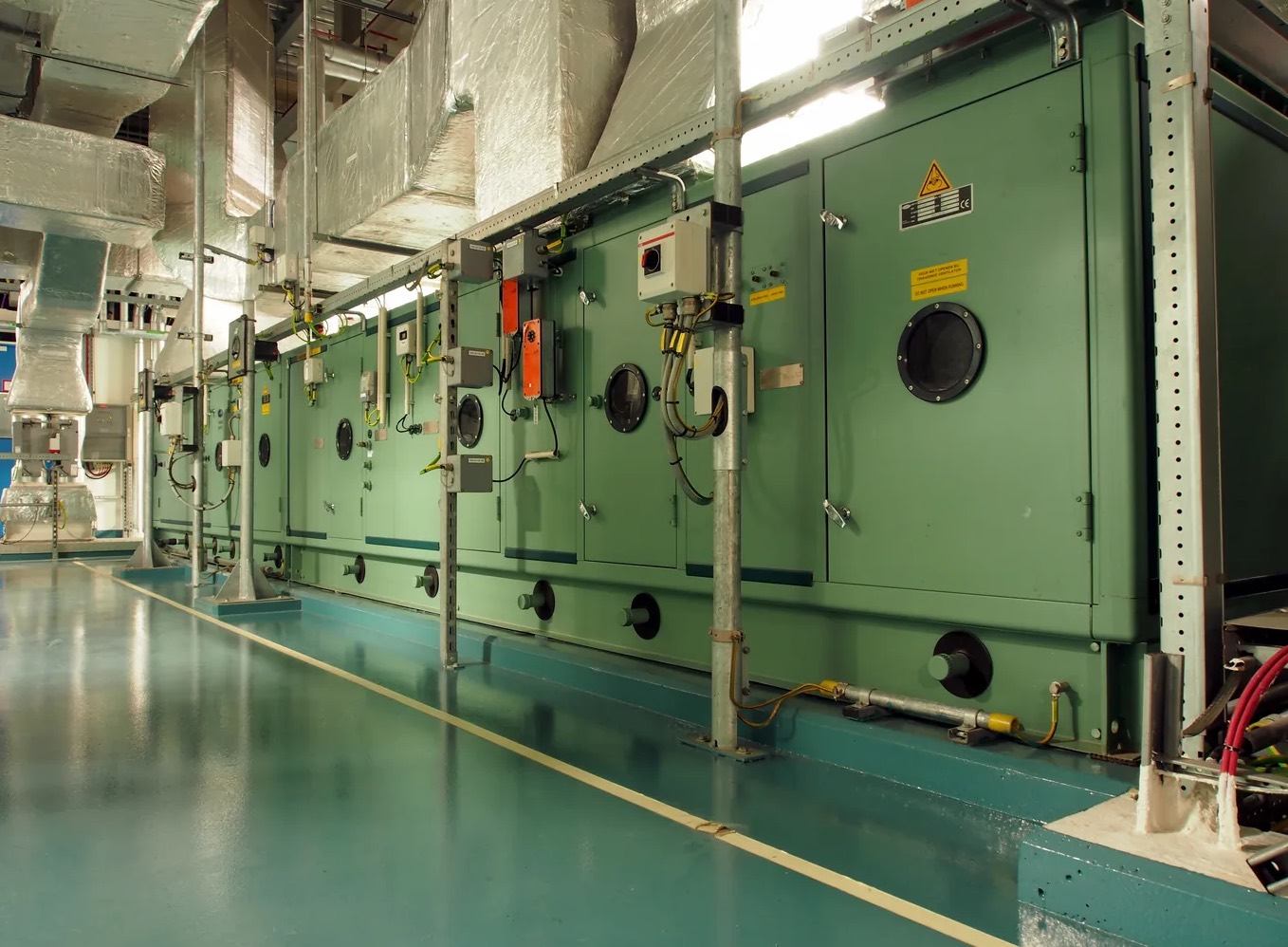
Expert HVAC Fire Damage Cleanup for Corona Homes and Businesses
Air quality testing post-cleanup verifies that HVAC fire damage cleanup has effectively removed harmful particulates and gases. This testing confirms the indoor environment is safe for occupancy after a fire.
In Corona and nearby locales like El Cerrito, Norco and Eastvale, odor removal after fire in HVAC is common. Odor particles bind to dust and ducts. Local HVAC fire damage cleanup pros use oxidation during duct sanitization to break them down.
The HVAC Fire Damage Cleanup Process in Corona
Air Quality Testing Post-Cleanup
Air quality testing post-cleanup verifies HVAC restoration effectiveness. It measures particulate matter and VOCs to ensure acceptable ranges. This data confirms the system is clean for homeowners in Corona.
HVAC Fire Damage Cleanup
Professional cleanup prevents ongoing soot and odor circulation. Local HVAC fire damage cleanup pros follow IICRC-standard methods for HVAC fire damage cleanup in Corona. The process includes assessment and careful cleaning of ducts and components.
Air Duct Soot Removal
Clearing soot requires accessing the ductwork. Containment prevents soot from escaping into clean areas. The removal targets the powdery substance that carries fire-related odors.
Emergency HVAC System Shutdown
Emergency HVAC system shutdown is the first action after a fire. Running the system spreads soot and smoke to every room. A professional can safely secure the system at the breaker.
Smoke Odor Neutralization
Smoke odor neutralization tackles persistent smells in ductwork. Deodorizing agents like oxidizing foggers alter odor molecules. This breaks down the smoky smell at its source for fresh air.
Indicators Your HVAC Needs Fire Damage Cleanup
Reduced Airflow From HVAC Vents
Weak airflow can signal that fire debris is clogging your ductwork, blower motor, or air filters after an incident.
Musty Smell Mixed With Smoke
A combination of smoky and musty odors can indicate mold growth fueled by moisture used during firefighting efforts in ducts.
Visible Soot Around Air Vents
Black dust or smudges near your vents and registers are clear indicators of smoke damage circulating through your ducts.
Activation of Smoke Alarms From HVAC
Smoke detectors triggering when the HVAC system turns on is a severe sign of active particulate circulation needing emergency cleaning.
How HVAC Fire Damage Cleanup Works in Corona
Step 1: Emergency HVAC System Shutdown
The first critical action is to safely power down the heating and cooling system. This prevents the spread of soot and smoke residues throughout the entire property's ductwork after a fire event.
Step 2: Comprehensive Air Duct Soot Removal
Using specialized brushes and negative air machines, the pros agitate and extract soot deposits from all accessible duct surfaces. This targets the primary source of contamination and odor.
Step 3: Blower Motor and Coil Cleaning
Key mechanical components are carefully cleaned. Soot is removed from the blower assembly, fan blades, and evaporator coils to restore efficiency and prevent corrosion from acidic residues.
Step 4: Post-Cleanup Air Quality Verification
After cleaning, air quality testing post-cleanup may be performed. This helps verify the effectiveness of the HVAC fire damage cleanup process and ensures the air is safe to breathe.
Causes of Soot in Ducts for HVAC Fire Damage Cleanup
Neighboring Structure Fire Smoke Infiltration
Smoke from a nearby fire can be drawn into your home's ventilation system, contaminating ducts and components with external soot.
Smoke Penetration Through HVAC Seams
Smoke particles are extremely fine and can infiltrate through small gaps and seams in ductwork, contaminating spaces between walls.
Thermal Expansion During the Fire
Intense heat can cause metal ductwork to expand and contract, potentially opening seams that allow soot to enter enclosed spaces.
Soot Backdraft During Firefighting
Firefighting activities can create pressure changes that force soot and smoke deep into wall cavities and the air duct system.
HVAC Fire Damage Cleanup for All Property Types in Corona
Residential HVAC Fire Damage Cleanup
Residential HVAC filter replacement after a fire is just the first step. Soot adheres to duct walls and the blower. The specialists clean these components to prevent odor and corrosion.
Commercial HVAC Fire Damage Cleanup
In commercial settings, fire residues can compromise sensitive equipment and inventory. A complete HVAC decontamination after smoke protocol, including air quality testing, is essential for health standards compliance.
HVAC Fire Damage Cleanup vs. DIY: When to Call Local Pros
Wipe down accessible exterior vent covers with a damp cloth to remove surface soot. Do not use chemical cleaners or clean inside ducts. For vent cleaning for smoke damage, rely on the pros.
What Affects HVAC Fire Damage Cleanup Cost in Corona
The price for air duct smoke damage cleanup in Corona considers the number of HVAC filter replacements required and if vent cleaning for smoke damage is a full-system service.
Accessibility of Components
Easily accessed vents and a readily available air handler simplify the process of cleaning soot from vents and blower motors.
Post-Cleanup Verification
Including professional air quality testing post-cleanup adds a step to confirm the effectiveness of the HVAC system restoration after fire.
Odor Neutralization Complexity
Stubborn smoke smells that permeate insulation or building materials may require advanced odor removal after fire in HVAC techniques.
Does Insurance Cover HVAC Fire Damage Cleanup?
Whether air quality testing or HVAC filter replacement is covered is a question for the adjuster. Local pros supply documentation of the damage and restoration steps for the homeowner's claim.
The Value of Local Pros for HVAC Fire Damage Cleanup
Thorough Vent and Register Cleaning
Focus on cleaning soot from vents ensures airflow pathways are clear and contaminants are removed from accessible surfaces.
Post-Cleanup Air Quality Verification
Air quality testing post-cleanup provides tangible data that the HVAC system restoration after fire has achieved a healthier environment.
Odor Neutralization Expertise
Specialized techniques for smoke odor neutralization tackle lingering smells at the source within the ductwork and mechanical components.
Emergency HVAC Fire Damage Cleanup Available in Corona
For post-fire HVAC cleaning that begins with securing a system, immediate help is available. Call (951) 584-3629 to reach the experts for 24/7 emergency HVAC system shutdown and initial soot removal.
Call Now (951) 584-3629Local HVAC Fire Damage Cleanup Coverage for Corona
Each place listed below has its own page with local details.
HVAC Fire Damage Cleanup FAQs
What steps are part of HVAC system restoration after fire?
Steps typically are emergency shutdown, detailed inspection, thorough cleaning of all components, replacement of damaged parts like filters, sanitization, and final air quality verification to ensure completeness.
Why is HVAC decontamination after smoke important?
Smoke carries fine particles and chemicals that adhere to duct surfaces. Decontamination cleans these residues to prevent them from off-gassing and affecting your home's air long-term.
Is cleaning soot from vents a DIY job?
It is not recommended. Professional fire damage air quality testing and cleaning equipment are needed to fully remove hazardous fine particulates embedded in ducts that household vacuums cannot extract.
Is air duct soot removal a messy process?
Professionals use containment methods like negative air machines and seal access points to prevent soot from escaping into your living spaces during the cleaning.
Does vent cleaning for smoke damage replace filters?
Vent cleaning addresses the duct pathways, but HVAC filter replacement after fire is always required, as filters are clogged with soot and are a primary line of defense.