Colton, CA · San Bernardino County
HVAC Fire Damage Cleanup in Colton, CAEmergency HVAC System Shutdown & Air Duct Soot Removal
Air duct soot removal, HVAC filter replacement, and smoke odor neutralization are part of HVAC Fire Damage Cleanup in Colton.
Answered 24/7
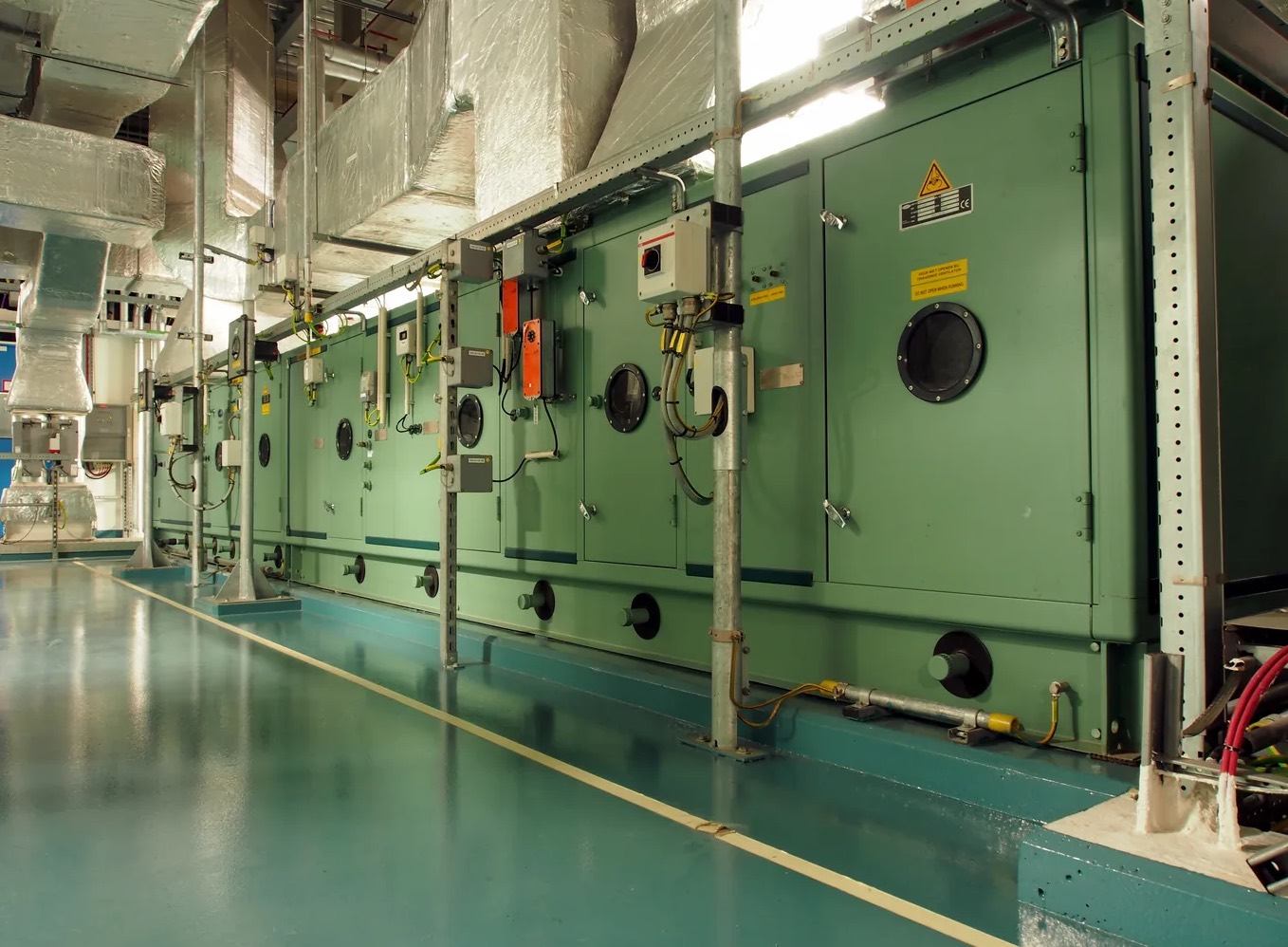
Professional HVAC Fire Damage Cleanup in Colton, CA
HVAC system restoration after a fire ensures heating and cooling equipment operates safely. Smoke particles can clog filters and coat internal parts, reducing performance and potentially causing malfunctions.
In Colton and nearby locales like Grand Terrace, Highgrove and Loma Linda, odor removal after fire in HVAC is common. Odor particles bind to dust and ducts. Local HVAC fire damage cleanup pros use oxidation during duct sanitization to break them down.
Complete HVAC Fire Damage Cleanup Solutions in Colton
Emergency HVAC System Shutdown
Shutting down the HVAC system prevents the disaster from multiplying. The blower fan can pull smoky air and distribute it. Securing the power contains contamination until cleaning occurs.
Air Duct Soot Removal
Soot inside ducts is oily and sticks to surfaces. Aggressive mechanical cleaning removes visible residue. The goal is to stop the distribution of odors and harmful materials.
HVAC Filter Replacement
Fire smoke saturates filters with ash and residues. Cleaning is insufficient; they must be replaced. Fresh units protect equipment and improve air quality.
Post-Fire Duct Sanitization
Post-fire duct sanitization addresses microbial concerns. Smoke residue and moisture can let mold and bacteria thrive. EPA-registered antimicrobial agents inhibit growth on interior surfaces for a hygienic duct system.
Smoke Odor Neutralization
Smoke odor neutralization tackles persistent smells in ductwork. Deodorizing agents like oxidizing foggers alter odor molecules. This breaks down the smoky smell at its source for fresh air.
Signs Your Colton Home Needs HVAC Soot Removal
Visible Soot Around Air Vents
Black dust or smudges near your vents and registers are clear indicators of smoke damage circulating through your ducts.
Discoloration on Walls Near Vents
Yellow or brown staining on walls or ceilings around air vents suggests soot-laden air is being distributed from the ducts.
Uneven Heating or Cooling Post-Fire
Temperature inconsistencies in different rooms can be caused by blocked vents or registers from fire damage air quality issues.
Soot Buildup on Furnace or AC Coils
Visible soot accumulation on internal HVAC coils reduces efficiency and requires professional cleaning for fire damaged HVAC duct cleaning.
How HVAC Fire Damage Cleanup Works in Colton
Step 1: Containment and Safety Setup
To prevent cross-contamination, work areas are sealed. This setup ensures that soot and debris disturbed during the fire damaged HVAC duct cleaning process are contained and safely removed from the property.
Step 2: Mechanical Agitation of Duct Surfaces
Specialized rotary brushes or air whips are used inside the ducts. This agitation loosens hardened soot from the metal surfaces, preparing it for extraction in the HVAC system restoration after fire.
Step 3: Odor Removal After Fire in HVAC
After physical cleaning, a focused smoke odor neutralization treatment is applied. This often involves sealing duct seams and using fogging or sealing techniques to encapsulate odor molecules.
Step 4: System Performance Check
Once cleaning is complete, the HVAC system is restarted and monitored. The goal is to confirm proper airflow and operation, ensuring the air duct smoke damage cleanup was successful.
How Fires Affect HVAC Systems in Colton
Soot Backdraft During Firefighting
Firefighting activities can create pressure changes that force soot and smoke deep into wall cavities and the air duct system.
Smoke Penetration Through HVAC Seams
Smoke particles are extremely fine and can infiltrate through small gaps and seams in ductwork, contaminating spaces between walls.
Chemical Residues From Burning Materials
Modern furnishings and building materials release acidic, corrosive chemicals when burned, which coat and damage HVAC components.
Neighboring Structure Fire Smoke Infiltration
Smoke from a nearby fire can be drawn into your home's ventilation system, contaminating ducts and components with external soot.
Home and Business HVAC Fire Damage Cleanup Serving Colton
Residential HVAC Fire Damage Cleanup
Residential HVAC filter replacement after a fire is just the first step. Soot adheres to duct walls and the blower. Local soot removal specialists clean these components to prevent odor and corrosion.
Commercial HVAC Fire Damage Cleanup
In commercial settings, fire residues can compromise sensitive equipment and inventory. A complete HVAC decontamination after smoke protocol, including air quality testing, is essential for health standards compliance.
HVAC Fire Damage Cleanup vs. DIY: When to Call Local Pros
If safe, visually inspect air vents for soot and take photos for insurance. Avoid running the HVAC system, as it spreads contamination. For cleaning and air quality testing, contact the pros in Colton.
HVAC Fire Damage Cleanup Cost in Colton, CA
Your final investment for HVAC system restoration after a fire is shaped by whether emergency HVAC system shutdown was required and the complexity of blower motor and coil cleaning.
Emergency Service Needs
If emergency HVAC system shutdown and professional service are required, it can influence the project's initial mobilization and assessment phase.
Required Decontamination Steps
Projects needing full post-fire duct sanitization and smoke odor neutralization involve additional specialized equipment and cleaning agents.
Filter and Part Replacement
The number of HVAC filters needing replacement and any components damaged by heat or soot impact material costs.
Does Insurance Cover HVAC Fire Damage Cleanup?
Whether air quality testing or HVAC filter replacement is covered is a question for the adjuster. Local pros supply documentation of the damage and restoration steps for the homeowner's claim.
The Value of Local Pros for HVAC Fire Damage Cleanup
Comprehensive Soot Removal
The process addresses visible soot and microscopic particles during air duct smoke damage cleanup, targeting the entire affected system.
Detailed System Assessment
Inspection covers all components, from vents to the blower motor, to plan an effective fire damaged HVAC duct cleaning strategy.
Odor Neutralization Expertise
Specialized techniques for smoke odor neutralization tackle lingering smells at the source within the ductwork and mechanical components.
Initial Assessment HVAC Fire Damage Cleanup in Colton
If you suspect smoke has entered your ductwork, fast action limits contamination. Contact the pros at (951) 584-3629 for emergency system shutdown and assessment. Assistance is available around the clock.
Call Now (951) 584-3629HVAC Fire Damage Cleanup Service Area Includes Colton
Other places served are listed below, each with its own page.
- HVAC Fire Damage Cleanup in Grand Terrace
- HVAC Fire Damage Cleanup in Loma Linda
- HVAC Fire Damage Cleanup in Downtown Riverside
- HVAC Fire Damage Cleanup in Highland
- HVAC Fire Damage Cleanup in Bloomington
- HVAC Fire Damage Cleanup in Jurupa Valley
- HVAC Fire Damage Cleanup in Canyon Crest
- HVAC Fire Damage Cleanup in Pedley
Frequently Asked Questions About HVAC Fire Damage Cleanup
How long does HVAC filter replacement after fire take?
Replacing filters is a quick task, but it is part of the full inspection and cleaning process. All system filters should be replaced as a first step in restoration.
How is odor removal after fire in HVAC achieved?
Specialized smoke odor neutralization techniques, such as sealing duct liners or using antimicrobial treatments and ozone, target odor molecules at their source within the HVAC system.
Can HVAC fire damage cleanup prevent future issues?
Yes, thorough cleaning removes corrosive soot that can degrade metal components and eliminates odor sources, helping prevent premature system failure and persistent smells.
What is the goal of air duct smoke damage cleanup?
The goal is to restore your HVAC system to safe, efficient operation by eliminating soot deposits and smoke residues. This involves cleaning all affected components and addressing lingering odors.
Is air duct soot removal a messy process?
Professionals use containment methods like negative air machines and seal access points to prevent soot from escaping into your living spaces during the cleaning.