Loma Linda, CA · San Bernardino County
Floor Mold Removal in Loma Linda, CAFloor Mold Inspection & Emergency Floor Mold Containment
Professional Floor Mold Removal in Loma Linda includes floor mold inspection, moldy subfloor removal, and hardwood floor mold removal.
Answered 24/7
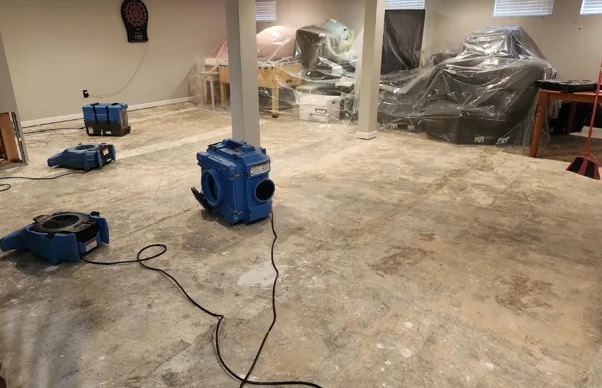
Professional Floor Mold Removal in Loma Linda, CA
In Loma Linda, flooring mold treatment prevents long-term issues such as moldy subfloor decay and concrete slab mold mitigation needs. Early detection through mold inspection floor services minimizes disruption and restoration costs.
In Loma Linda and nearby places like Grand Terrace and Colton, moldy floor cleanup prevents allergens from black mold on floor from affecting indoor air. Local mold cleanup specialists use advanced techniques for flooring replacement after mold and mold inspection floor services. Their 24/7 operation caters to urgent situations.
Comprehensive Floor Mold Removal Methods
Floor Mold Inspection
The pros in Loma Linda perform thorough inspections using moisture mapping and air sampling to pinpoint hidden mold sources under flooring.
Emergency Floor Mold Containment
Emergency containment sets up critical barriers and deploys negative air machines to isolate the mold-affected floor area from the rest of your living space.
Concrete Slab Mold Mitigation
Concrete slab mitigation starts with identifying and correcting the moisture intrusion, then cleaning the slab with industrial antimicrobials to remove surface mold.
Hardwood Floor Mold Removal
This specialized removal focuses on the wood's grain where mold hides, using appropriate cleaners to restore the floor's appearance in Loma Linda homes.
Tile Grout Mold Cleanup
The specialists in Loma Linda use specialized grout cleaners and extraction tools to remove mold stains and biofilm from shower and kitchen floors.
Indicators for Floor Mold Removal in Loma Linda
Condensation on Floor Surfaces
Visible condensation or sweating on cold floors like concrete slabs signals high humidity, a primary cause for mold under floor removal.
Visible Mold on Baseboards
Mold growth creeping up baseboards or walls from the floor junction is a clear sign the flooring mold treatment area is expanding.
Paint Bubbling Near Floor
Paint or wallpaper bubbling on walls just above the floor line often indicates moisture wicking up, a precursor to mold.
Soft Spots in Subflooring
Areas of the floor that feel soft or give way under pressure may indicate severe subfloor rot and mold damage restoration.
How Floor Mold Removal Works in Loma Linda
Step 1: Initial Mold on Floor Evaluation
The experts perform a detailed assessment, using moisture meters and thermal imaging to find hidden wetness and define the scope of floor mold cleanup needed.
Step 2: Source Correction and Drying Prep
Any active water leak is stopped first. Then, furniture is moved, and the area is prepared for drying equipment to begin the mold damage restoration process.
Step 3: Contaminated Material Extraction
Porous materials with deep mold growth, such as carpet and underlayment, are extracted. Non-porous surfaces like tile are cleaned with EPA-registered antimicrobial agents.
Step 4: HEPA Vacuuming and Air Scrubbing
The entire contained area undergoes HEPA vacuuming of all surfaces. Air scrubbers run continuously to remove airborne mold spores, finalizing the flooring mold treatment.
Typical Origins of Mold Under Flooring
Slow Drying After Cleaning
Deep-cleaning carpets or mopping floors without adequate drying leaves residual moisture deep in padding or subflooring, inviting mold spores to grow.
Flooding and Spill Incidents
Overflows from appliances, bathtubs, or external floodwater can soak into flooring materials, leading to rapid mold colonization if not dried quickly.
Poor Subfloor Ventilation
Inadequate airflow in crawlspaces or under raised floors traps moisture vapor, promoting mold growth on the underside of flooring and joists.
Previous Incomplete Mold Cleanup
Attempts at mold removal services that didn't address the moisture source or fully remove contaminated materials lead to recurring mold problems.
Residential and Commercial Floor Mold Removal in Loma Linda
Residential Floor Mold Removal
Homeowners face risks from mold spores on floor surfaces where children and pets play. The specialists provide thorough mold inspection floor services and targeted treatments for attic crawlspace floors, enclosed porches, and other vulnerable home areas.
Commercial Floor Mold Removal
Commercial properties require professional mold removal services to protect assets and reputation. Experts manage mold on floor removal in storage areas, locker rooms, and beneath commercial kitchen equipment, using industrial-grade drying and air scrubbing equipment for large spaces.
Floor Mold Removal vs. DIY: When to Call Mold Cleanup Specialists
Homeowners can remove and dispose of small, visibly moldy area rugs on a sealed floor. Bag them securely. Do not salvage moldy carpet padding or clean mold from subflooring. This requires equipment handled by the pros.
Understanding Floor Mold Removal Cost in Loma Linda
Local floor mold removal costs are influenced by the severity of mold damage restoration needed. Whether the job involves simple surface cleaning or full-scale mold under floor removal and subfloor replacement affects the overall estimate.
Post-Remediation Verification
A final mold inspection floor clearance test, using air sampling, may be recommended to confirm successful mold spores on floor elimination.
Access and Obstacles
Furniture moving, limited workspace, and the need to protect unaffected areas can increase the time and labor for mold removal services.
Mold Species Present
Black mold on floor remediation often requires more stringent safety protocols and specialized antimicrobial treatments compared to common mold types.
Does Insurance Cover Floor Mold Removal?
For moldy floor cleanup, the underlying water intrusion typically must be sudden and accidental for insurance. Gradual leaks are often excluded. Local pros methodically document visible mold and moisture levels. Coverage decisions are made by the insurance company.
Selecting the Specialists for Floor Mold Removal
Safe Containment Procedures
Containment barriers and negative air pressure are used during mold removal services to isolate the work area and protect your home.
Structural Drying Expertise
Proper drying after moldy floor cleanup is critical, using industrial equipment to achieve dry standards and stop mold regrowth.
Comprehensive Moisture Mapping
Advanced tools detect moisture sources to ensure the floor mold remediation plan addresses the root cause, preventing future recurrence.
Immediate Floor Mold Removal Response Available
The longer moldy floor cleanup is delayed, the more extensive and costly the remediation becomes. For 24/7 emergency help from qualified mold removal services, pick up the phone and call (951) 584-3629.
Call Now (951) 584-3629Extended Floor Mold Removal Service Region
Other places served are listed below, each with its own page.
Common Floor Mold Removal Queries Answered
Is dry rot related to floor mold issues?
Yes, dry rot is a wood decay fungus that thrives in similar damp conditions as mold. Mold damage restoration often uncovers dry rot, requiring replacement of the affected structural wood members.
What is emergency floor mold containment?
Emergency floor mold containment is an early action to isolate the affected area using plastic sheeting and negative air pressure, preventing mold spores from spreading to other parts of your home during remediation.
Why is concrete slab mold mitigation important?
Mold growth on or under a concrete slab can affect indoor air quality and lead to dry rot in adjoining wood framing. Mitigation involves addressing the moisture source and treating the concrete.
What happens during a mold inspection for floors?
A mold inspection floor assessment involves visual examination, moisture meter and thermal imaging scans to find hidden dampness, and sometimes air or surface sampling to identify mold spore types and levels.
What flooring is most resistant to mold growth?
Non-porous materials like ceramic tile, vinyl plank, and properly sealed concrete are most resistant. However, grout lines and subfloors beneath any flooring can still harbor mold if moisture is present.