Moreno Valley, CA · Riverside County
Ceiling Water Damage in Moreno Valley, CACeiling Water Stain Removal & Wet Ceiling Drywall Removal
Ceiling Water Damage in Moreno Valley includes ceiling leak water cleanup, ceiling drying services, and roof leak ceiling water removal.
Answered 24/7
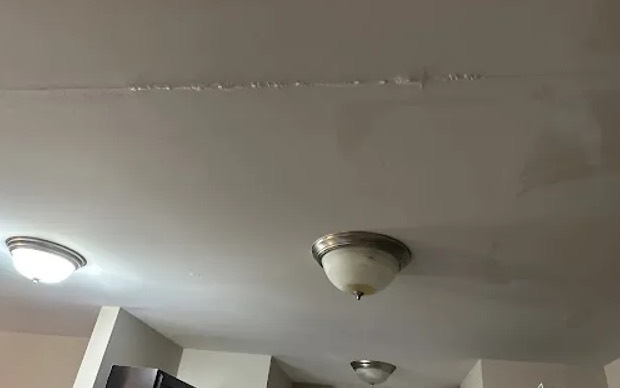
Ceiling Water Damage Specialists Serving Moreno Valley
In Moreno Valley, trapped moisture breaks down drywall paper and framing and feeds mold. Spores can then circulate through the home's air system, affecting air quality.
Ceiling water damage restoration for the Moreno Valley area focuses on halting water intrusion and initiating rapid drying. Local water removal pros handle roof leak ceiling water removal and ceiling leak water cleanup, serving this community and nearby locations like Moreno Valley Mall, Rancho Belago and Towngate.
Local Ceiling Water Damage Services in Moreno Valley
Ceiling Water Stain Removal
For persistent ceiling stains, professional removal techniques are most effective. In Moreno Valley, local pros assess the stain type and use appropriate chemical agents or sealants to eliminate the discoloration before final refinishing.
Wet Ceiling Drywall Removal
Soggy ceiling drywall loses its structural strength and can harbor mold. In Moreno Valley, the pros carefully remove and dispose of compromised drywall sections. Removing it lets the cavity behind it dry.
Ceiling Drying Services
The pros deploy industrial air movers and dehumidifiers to create airflow and remove moisture from the air and building materials. It prevents warping and mold.
Emergency Ceiling Water Extraction
Emergency ceiling water extraction focuses on speed and efficiency. Pros in Moreno Valley use submersible pumps for large volumes and wet-dry vacuums for residual moisture, reducing the risk of ceiling collapse.
Ceiling Mold Prevention
Moisture left after a leak invites mold growth on ceilings. Prevention involves drying verified by moisture meters and the application of EPA-registered solutions by the pros to inhibit spore development.
When to Schedule Ceiling Water Damage for Your Ceiling
Increased Utility Bills
Unexplained spikes in your water bill can point to a hidden leak. A ceiling moisture inspection can help find the source of waste.
Peeling Paint or Texture
Paint or popcorn texture peeling from your ceiling is a moisture sign. This requires inspection to assess the extent of water damage.
Visible Mold Patches
Black or green spots on the ceiling indicate active mold. Ceiling mold prevention strategies should follow professional mold remediation.
Water Stains on Ceiling
Brown or yellowish water stains on your ceiling signal moisture intrusion. Treating stains early prevents bigger damage.
How Ceiling Water Damage Works in Moreno Valley
Step 1: First Call and Water Containment
A 24/7 response contains the water quickly. The pros in Moreno Valley set up containment barriers and begin extracting visible water.
Step 2: Detailed Moisture Mapping
No-touch moisture detection ceiling tools identify wet areas behind walls and above ceilings. This map guides all subsequent drying and removal efforts precisely.
Step 3: Aggressive Drying With Industrial Equipment
Industrial-grade air movers force evaporation, while dehumidifiers capture the airborne moisture. This aggressive approach is the core of professional ceiling drying services.
Step 4: Documentation for Insurance and Repair
Throughout the job, detailed logs of moisture readings and photos are kept.
Reasons for Ceiling Water Damage
Overflowing Bathtubs or Sinks
An accidental overflow from a second-floor bathroom can be a major incident. It needs extraction and drying.
Bathroom Vent Fan Exhaust
A bathroom fan that vents into the attic, not outside, deposits moist air. This promotes mold growth on ceiling materials and framing over time.
HVAC Condensation Drainage Issues
A clogged condensate drain line from an attic air handler can overflow. This constant drip causes significant ceiling water damage over time.
Poor Attic Ventilation
Inadequate attic ventilation traps heat and moisture against the roof deck. This condensation can drip onto insulation and ceiling drywall below.
Ceiling Water Damage for Homes and Businesses in Moreno Valley
Residential Ceiling Water Damage
Homeowners face risks from sagging, stained ceilings and potential electrical hazards from light fixture leaks. The pros address hidden moisture in insulation to prevent long-term air quality issues.
Commercial Ceiling Water Damage
Office buildings, retail stores, and warehouses require a strategic approach to water mitigation services. Documentation for complex commercial insurance claims is a key part of the service.
Should You Attempt Ceiling Water Damage Yourself?
Regularly checking washing machine hoses for leaks is a good DIY maintenance habit. Make sure downspouts send water away from the foundation. If a leak causes ceiling damage, calling for emergency ceiling water extraction limits the harm.
What Influences Ceiling Water Damage Cost in Moreno Valley?
In Moreno Valley, cost can include extras like mold treatment or a minor roof repair before the interior work starts.
Emergency Service Timing
Emergency ceiling water extraction calls outside standard business hours may involve premium rates for after-hours work to halt worsening damage.
Cosmetic Finish Restoration
After wet ceiling drywall removal and replacement, repainting, re-texturing, and ceiling water stain removal work contribute to the final restoration cost.
Ceiling Material Type
Drywall, plaster and textures like popcorn ceilings differ in material and labor costs.
Does Insurance Cover Ceiling Water Damage?
Water mitigation services for ceiling drying process after a covered event are typically eligible. The pros in Moreno Valley use moisture detection ceiling tools to record pre- and post-drying conditions for your insurer. Your adjuster determines reimbursement based on your policy's language and limits.
Why Choose Local Pros for Ceiling Water Damage in Moreno Valley
24/7 Emergency Response
Quick action on emergency ceiling water extraction limits the spread of water and minimizes the area of drywall or insulation that is ultimately ruined.
Mold Prevention Focus
Applying EPA-registered antimicrobials during the ceiling drying services inhibits mold growth on ceiling surfaces and inside wall cavities where spores can thrive.
Thorough Water Extraction
Powerful truck-mounted or portable extractors remove bulk water from ceilings and insulation quickly, a critical first step in all water mitigation services.
Emergency Ceiling Water Damage Available Now
If water is dripping or pooling from overhead, act now. Get emergency help from the pros for ceiling drying services by calling (951) 584-3629 anytime.
Call Now (951) 584-3629Ceiling Water Damage Throughout the Moreno Valley Region
After any leak in Moreno Valley, extraction and mold prevention come first. The pros offer these solutions to Moreno Valley and neighboring locations including Moreno Valley Mall, Rancho Belago and Towngate.
Ceiling Water Damage FAQs for Moreno Valley Homeowners
Is wet ceiling drywall removal always necessary after a leak?
Not always; if caught early and dried from both sides, drywall can sometimes be saved. However, sagging, soft spots, or contamination typically require removal and replacement.
What should I do while waiting for ceiling water damage restoration pros?
If safe, place buckets under active drips, move furniture and electronics out of the area, and avoid touching sagging drywall. Do not attempt electrical repairs near the water.
What causes recurring ceiling leaks after previous repair?
Recurrence often points to an unresolved external source, like a persistent roof leak, or an internal plumbing issue that was not fully identified and repaired during the initial incident.
How does the ceiling drying process prevent future odor issues?
Drying removes the moisture that bacteria and mold need to grow, which are the primary sources of musty odors following water damage in ceilings and wall cavities.
Can ceiling water damage lead to structural problems?
Prolonged wetness can weaken wooden ceiling joists and rafters, potentially leading to sagging or compromised integrity. Proper drying of these structural elements is a key part of restoration.