Corona, CA · Riverside County
Wall Mold Removal in Corona, CAMold Prevention Treatments & Mold Spore Air Scrubbing
Wall Mold Removal in Corona includes mold spore air scrubbing, wallpaper mold remediation, and drywall mold removal.
Answered 24/7
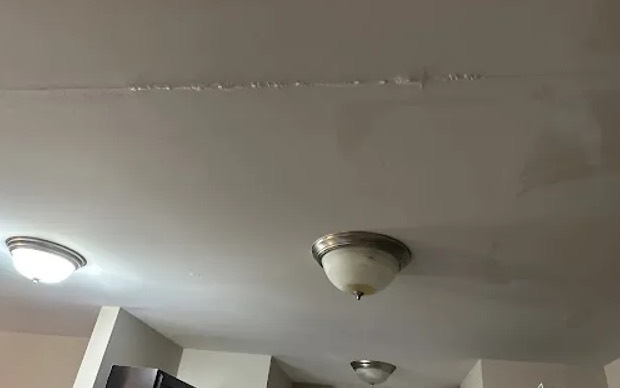
Expert Wall Mold Removal in Corona, CA
Wallpaper mold remediation in Corona requires careful techniques to prevent damaging adjacent walls. Mold can thrive in the adhesive layer, making removal and treatment a specialized task.
The mold remediation process for wall mold in Corona, El Cerrito, Norco and Eastvale focuses on source elimination and prevention. Local wall mold specialists handle wallpaper mold remediation to mold prevention treatments, documenting damage for insurance claims.
Scope of Wall Mold Removal Work
Mold Prevention Treatments
Prevention treatments are a final defense. These sealants and coatings are applied to structural wood and clean drywall after remediation, offering long-term protection against future mold growth in the treated areas of your Corona residence.
Mold Spore Air Scrubbing
Air scrubbing is a vital containment step. These powerful machines create negative air pressure, pulling spore-laden air through a series of filters. This controlled environment prevents cross-contamination, ensuring the remediation is effective and contained.
Bathroom Wall Mold Cleanup
For bathroom mold, simply wiping surfaces is ineffective. Local wall mold specialists perform a deep clean of grout and silicone, assess behind walls for hidden damage, and apply mold-resistant primers and paints to vulnerable areas for long-term protection.
Wallpaper Mold Remediation
Mold behind wallpaper is common and challenging. The paper and adhesive hold moisture. Remediation requires peeling back the wallpaper, treating the wall underneath, and often fully removing it to allow proper drying.
Black Mold Removal
Suspected black mold warrants a professional approach. The specialists use personal protective equipment and engineering controls to safely remove the mold colony, then perform post-remediation verification to confirm the air is safe.
Indicators of a Hidden Mold Problem
Past Water Leak History
Any previous leak, even if dried, may have left moisture in wall cavities, leading to later mold issues.
Discolored Grout or Caulking
Black or pink stains in bathroom tile lines are often mold, signaling a need for bathroom wall mold cleanup.
New or Worsening Allergies
Unexplained respiratory issues, sneezing, or itchy eyes at home can be caused by airborne mold spores from wall growth.
Health Symptoms in Pets
If pets show lethargy or respiratory distress, consider hidden mold sources in your home's walls and schedule a mold inspection.
How Wall Mold Removal Works in Corona
Step 1: Detailed Moisture and Mold Survey
The experts use thermal imaging and probes to find hidden moisture and mold behind walls, informing the precise mold remediation process needed.
Step 2: Controlled Demolition of Affected Walls
Damaged sections of wallboard are cut out and disposed of safely. This step is central to drywall mold treatment and prevents the spread of debris.
Step 3: Aggressive Air Filtration and Scrubbing
Air filtration devices run 24/7 to remove contaminants. This mold spore cleanup is essential for restoring safe indoor air during and after wallpaper mold remediation.
Step 4: Reconstruction Guidance and Documentation
Once remediation is complete, pros can provide documentation of the work and moisture readings, which may be useful for your insurance claim or future repairs.
Common Sources of Wall Mold Growth
Condensation From Poor Insulation
Warm, moist air contacting cold exterior walls creates condensation inside, leading to mildew removal from walls being necessary.
Faulty or Clogged Gutters
Gutters that overflow can saturate exterior walls, allowing water to seep inside and cause mold on walls removal scenarios.
Roof or Plumbing Leaks
Slow, hidden leaks from pipes or a compromised roof introduce moisture into wall cavities, a primary cause of wall mold.
Flooding or Spill Oversights
Incomplete drying after any water event leaves moisture trapped behind drywall, creating a perfect habitat for toxic mold removal needs.
Mold Remediation for Corona Properties
Residential Wall Mold Removal
Mold on interior walls in homes threatens structure and air quality. The experts conduct mold spore cleanup and drywall mold treatment to eliminate odors and visible growth.
Commercial Wall Mold Removal
Office buildings and schools need discreet, effective mold solutions. The approach combines moisture mapping, professional mold remediation of affected walls, and HVAC cleaning to ensure a safe environment.
Why Professional Mold Remediation Beats DIY
You can visually inspect for leaks and fix minor plumbing drips to prevent further moisture. For existing mold damage inside walls, a professional mold remediation process with containment is necessary to stop spread.
Budgeting for Wall Mold Removal in Corona
The final cost for professional wall mold removal in Corona depends on specific home variables and contamination severity. The pros evaluate the extent of growth, the types of surfaces affected, and the wall cavity's accessibility.
Air Quality Restoration
Mold spore air scrubbing with industrial HEPA filters is often necessary to clean the air, adding equipment and time expenses.
Affected Building Materials
Costs differ between mold damaged paint removal, drywall mold removal, and more complex wallpaper mold remediation or treating structural wood.
Containment Requirements
Isolating the work area with plastic sheeting and negative air machines to prevent spore spread adds to the setup and equipment costs.
Does Insurance Cover Wall Mold Removal?
Homeowners insurance often requires proof mold stemmed from a sudden, covered water incident. Documentation from the specialists detailing the source and extent is essential for the claim. The insurer makes the final determination on payout.
Advantages of Professional Wall Mold Removal in Corona
Air Quality Verification
The process often includes post-remediation testing or visual clearance to help confirm the indoor air has been properly addressed.
Source Identification Focus
Pros don't just clean visible mold; they diagnose and help address the moisture source to prevent future growth on walls.
Material Removal Precision
Affected drywall or insulation is carefully removed and bagged on-site to avoid spreading contamination during mold damaged paint removal.
24/7 Emergency Help for Wall Mold Removal
Spreading mold or major water damage behind walls needs 24/7 emergency service. Delay allows spores to spread. Call (951) 584-3629 for professional mold remediation. Local pros can advise on initial steps and prioritize an inspection.
Call Now (951) 584-3629Areas Served for Wall Mold Removal
Other places served are listed below, each with its own page.
Common Wall Mold Removal Questions Answered
What happens during mold damaged paint removal?
Paint blistered or stained by mold moisture must be scraped or sanded off. The underlying surface is then cleaned, treated, and must be completely dry before new primer and paint can be properly applied.
Can wallpaper mold remediation save the existing wallpaper?
Typically, no. Mold growing on or behind wallpaper usually requires removal of the wallpaper to access, clean, and treat the wall underneath. The wallpaper itself is porous and cannot be adequately salvaged.
What preparation is needed before mold remediation begins?
Pros will guide you, but typically you should move furniture away from walls, remove valuables from the work area, secure pets, and plan for noise and limited access to the contained zone during the process.
Why is mold spore air scrubbing necessary during remediation?
Air scrubbing with HEPA filters is critical to capture airborne mold spores stirred up during removal work, preventing them from settling and causing new growth in other areas of your home after the main cleanup.
Can mold behind drywall be cleaned, or must it be removed?
Porous materials like drywall with mold growth typically cannot be effectively cleaned and must be removed and discarded. Only non-porous surfaces like studs can be cleaned and treated during drywall mold removal.