Beaumont, CA · Riverside County
Thermal Imaging Inspections in Beaumont, CAInsulation Gap Thermal Detection & Roof Leak Infrared Detection
Thermal Imaging Inspections in Beaumont covers water leak detection thermal scans, hidden moisture damage scanning and energy loss thermal imaging.
Answered 24/7
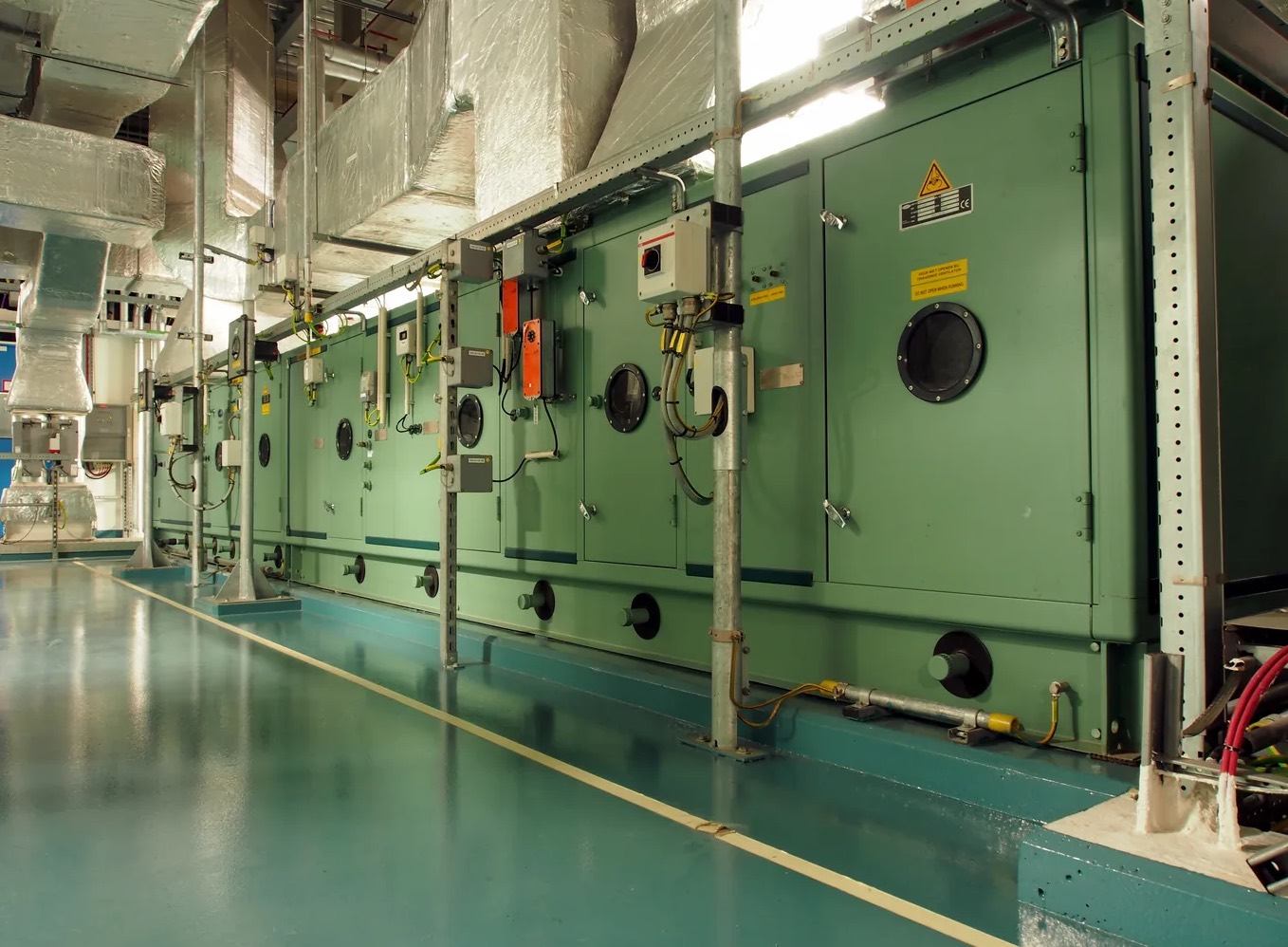
Thermal Imaging Inspections Near Beaumont, California
Finding hidden water damage early protects buildings in Beaumont. Thermal cameras trace moisture from plumbing, roof openings or foundation cracks without destructive testing.
Properties throughout Beaumont and nearby communities like Banning, Calimesa and Yucaipa use thermal inspections to see moisture, insulation gaps and electrical hot spots behind walls and ceilings.
Comprehensive Thermal Imaging Inspections in Beaumont
Insulation Gap Thermal Detection
In Beaumont, pros find gaps around rim joists or behind electrical boxes where air escapes.
Roof Leak Infrared Detection
From inside the attic, pros scan for cooler areas under the roofing that point to trapped water.
Electrical Issue Thermal Scans
Pros compare wiring and panel temperatures to find parts running hotter than normal.
Infrared Mold Inspection Services
Scans show temperature differences from damp materials, and moisture meter readings confirm them.
Plumbing Leak Infrared Inspection
Pros look for cool spots from cracked pipes or failed seals, a way to find leaks without damage.
Signs You Need Thermal Imaging Inspection in Beaumont
Warm or Hot Electrical Outlets
Outlet plates that feel warm can point to an electrical fault that needs scanning.
Persistent Dampness on Floors
A floor area that stays damp hints at a slab or plumbing leak underneath.
Sudden Spike in Utility Bills
A sharp rise in heating or cooling costs often points to escaping air and insulation gaps.
Cold Drafts in Specific Rooms
Noticeable drafts in one room often mean insulation is missing in that area.
How Thermal Imaging Inspections Work in Beaumont
Step 1: Thermal Imaging Home Inspection Setup
Pros prepare the space, sometimes adjusting indoor temperature, and calibrate the camera for accurate scans.
Step 2: Comprehensive Thermal Scan Execution
Walls, ceilings, floors and roof lines are scanned in order to look for water leaks and other issues.
Step 3: Data Interpretation for Problem Diagnosis
Pros separate normal variations from problem patterns like electrical hot spots or energy loss.
Step 4: Actionable Insights and Priority List
Findings become a priority list of repairs so you know which problems to fix first.
Root Problems Found with Thermal Imaging Scans in Beaumont
Condensation Within Wall Cavities
Warm, moist air can condense inside walls and dampen insulation and framing.
Foundation Crack Water Intrusion
Hairline foundation cracks let groundwater seep in under the flooring and stay hidden.
Inadequate or Settled Insulation
Poorly installed or settled insulation leaves gaps in walls and attics where heat escapes.
Roof Flashing Installation Errors
Poorly sealed flashing around chimneys and vents lets water into the roof.
Thermal Imaging Inspections for Homes and Businesses in Beaumont
Residential Thermal Imaging Inspections
In homes, scans find leaks behind kitchen cabinets, moisture from past roof leaks in the attic, insulation gaps and hot spots in breaker panels.
Commercial Thermal Imaging Inspections
For businesses, scans find energy loss through warehouse doors, roof leaks over stock, moisture from hidden pipe leaks and overheating panels.
Professional vs. DIY Thermal Imaging in Beaumont
Check accessible areas like under sinks for wet spots and look for loose outlet covers. For problems behind walls, under floors or in the attic, call inspectors with thermal cameras.
Pricing Considerations for Thermal Imaging in Beaumont
A full scan of roofing, walls and electrical panels takes more time than a single-area check, which affects the price.
Number of Zones
Scanning the roof, walls and electrical system together expands the inspection checklist.
Access Requirements
Scans in attics or crawl spaces may need special equipment or preparation first.
Equipment Used
High-resolution cameras for subtle electrical or insulation problems may add to the cost.
Does Insurance Cover Thermal Imaging Inspections?
A scan may be covered when it is part of assessing damage from a pipe leak or similar event. Inspectors document the moisture, and coverage varies by policy.
Benefits of Local Infrared Scanning Professionals for Infrared Scans in Beaumont
Non-Invasive Moisture Detection
Scans find hidden moisture behind walls or under floors without cutting into the structure.
IICRC-Standard Methods
Moisture mapping and damage assessment follow accepted industry practices for water damage.
Whole-Home Assessment Capability
One visit can check the roof, walls, insulation and electrical system together.
Emergency Moisture Detection in Beaumont
After a flood, a fast thermal scan shows where moisture is hiding so drying can start. Call local pros any time at (951) 584-3629 for help.
Call Now (951) 584-3629Local Thermal Imaging Inspections Reach from Beaumont
Each place listed below has its own page with local details.
- Thermal Imaging Inspections in Banning
- Thermal Imaging Inspections in San Jacinto
- Thermal Imaging Inspections in Fontana
- Thermal Imaging Inspections in Pedley
- Thermal Imaging Inspections in Rialto
- Thermal Imaging Inspections in Bloomington
- Thermal Imaging Inspections in Jurupa Valley
- Thermal Imaging Inspections in El Cerrito
Infrared Scanning FAQ
When should I consider a water leak detection thermal scan?
When you see unexplained stains, smell mustiness, notice a higher water bill or hear water running.
What areas of the home can infrared thermography inspection assess?
Walls, ceilings, floors, roofs, electrical panels, plumbing lines, windows, doors and the insulation behind them.
What is the benefit of insulation gap thermal detection?
It shows where insulation is missing or compressed so upgrades can be targeted and energy waste reduced.
What's the difference between thermal imaging and a moisture meter?
Thermal imaging scans large areas for likely moisture, and a moisture meter confirms readings at those spots.
How are electrical issues found with a thermal scan?
Faulty circuits and connections give off extra heat, which shows as bright hot spots on the camera.