Corona, CA · Riverside County
Smoke Damage Cleanup in Corona, CASoot Residue Cleanup & HVAC Duct Smoke Cleaning
Smoke Damage Cleanup for Corona involves soot residue cleanup, smoke odor removal, and fire damage surface restoration.
Answered 24/7
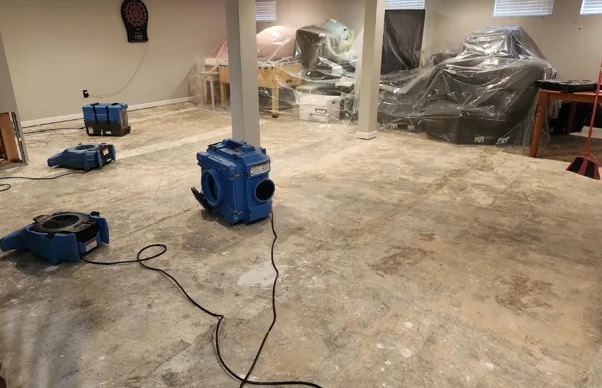
Smoke Damage Cleanup: Local Smoke and Odor Removal in Corona
The lingering effects of smoke in Corona properties necessitate professional smoke damage mitigation to restore air quality and cleanliness. Smoke particles are extremely fine and can bypass ordinary filters, settling in ductwork.
Across Corona and nearby areas like El Cerrito, Norco and Eastvale, professional soot cleanup after a fire prevents permanent damage. Local soot cleanup specialists employ IICRC-standard methods for soot residue removal and smoke odor removal to eliminate all smoke traces.
The Smoke Damage Cleanup Process in Corona, CA
Soot Residue Cleanup
Soot residue cleanup removes fine black particles deposited by smoke. The specialists use specific cleaning agents and techniques to avoid smearing. Different surfaces require tailored approaches. Prompt action prevents permanent staining.
HVAC Duct Smoke Cleaning
HVAC duct smoke cleaning removes soot, ash, and odors from heating and cooling systems. Specialized brushes and negative-air machines clean the ductwork.
Air Quality Testing After Fire
Post-fire air can contain harmful residues long after visible soot is gone. Testing checks for particulate counts and specific toxins to verify cleanup completion for properties in Corona.
Smoke Odor Removal
Eliminating smoke odor requires more than surface cleaning. The pros use thermal fogging and ozone treatments to penetrate materials. These IICRC-standard methods break down odor molecules at the source.
Fire Damage Surface Restoration
Fire damage surface restoration goes beyond cleaning to repair materials affected by heat and smoke. Surfaces are evaluated for heat distortion, discoloration, and etching.
When to Consider Smoke Damage Cleanup for Your Corona Home
Soot Embedded in Window Tracks
Hard-to-reach areas holding soot demonstrate why thorough smoke residue removal by the specialists is critical.
Irritated Eyes or Respiratory Issues
Ongoing irritation for occupants can signal poor air quality, necessitating post-fire cleaning and air quality restoration.
Visible Soot on Walls and Ceilings
Black or grey dust-like deposits on surfaces are a clear sign you need soot cleaning services.
Ash in the HVAC Vents
Finding particulate matter blowing from vents means your system requires HVAC duct smoke cleaning.
How Smoke Damage Cleanup Works in Corona
Step 1: Initial Inspection and Scope
The experts conduct a thorough inspection to identify all affected materials and areas. This scoping directs the subsequent smoke damage mitigation strategy.
Step 2: Source Removal and Content Cleaning
Damaged items are removed, and salvageable belongings undergo off-site content cleaning for smoke damage. This step is crucial for odor elimination from porous materials.
Step 3: HVAC and Duct Smoke Cleaning
The HVAC system is cleaned to prevent recontamination. This specialized HVAC duct smoke cleaning removes soot from ducts, registers, and the air handler.
Step 4: Deodorization and Surface Restoration
Thermal fogging or ozone treatments tackle lingering smells. Final fire damage surface restoration brings walls, ceilings, and fixtures back to a pre-loss condition.
Typical Causes Requiring Smoke Damage Cleanup in Corona
Kitchen Grease Fires
These intense blazes produce thick, oily smoke and soot that spreads quickly, coating surfaces and requiring extensive cleanup.
Burning of Plastics or Synthetics
These materials release harsh chemicals and sticky, acidic residues that complicate standard fire damage cleanup efforts.
Improper Use of a Fireplace
Closing a damper too soon or burning wet wood fills a room with smoke, creating a need for post-fire cleaning.
Candle or Incense Ignition
Small, smoldering sources produce surprising amounts of soot that can stain ceilings and walls, requiring wall and ceiling soot cleaning.
Smoke Damage Cleanup Solutions for All Corona Properties
Residential Smoke Damage Cleanup
In residences, smoke damage cleanup often involves delicate tasks like cleaning soot from family heirlooms, photographs, and clothing. The specialists employ specialized techniques for content cleaning for smoke damage to salvage these personal items whenever possible.
Commercial Smoke Damage Cleanup
A commercial property requires smoke damage cleanup that scales to large square footage and complex building systems. This includes extensive HVAC duct smoke cleaning and surface restoration to meet health codes and restore professional aesthetics.
The Risks of DIY Smoke Damage Cleanup for Corona Homeowners
A homeowner can cover clean furniture with plastic sheeting to shield it from soot fallout. Changing the HVAC filter prevents soot circulation. The system should not run if ducts are contaminated, as duct cleaning is a task for specialists.
Pricing Considerations for Smoke Damage Cleanup in Corona
The pros evaluate variables for a cost assessment, including the scope of emergency mitigation performed. The duration and methods for complete odor and soot cleanup inform the project's outline.
Content Cleaning Scope
The volume and type of personal belongings needing specialized content cleaning for smoke damage affect project timelines and resource allocation.
Structural Surface Complexity
Intricate architectural details, high ceilings, or numerous surfaces needing wall and ceiling soot cleaning increase the labor intensity for fire damage surface restoration.
Emergency Mitigation Services
If emergency smoke damage mitigation was performed, those initial stabilization and boarding-up services are part of the complete cost calculation.
Does Insurance Cover Smoke Damage Cleanup?
Coverage for services like smoke odor removal is subject to a policy's specific terms. The pros document soot residue and smoke penetration to illustrate the necessity of the cleanup for the claim.
The Value of Local Soot Cleanup Specialists for Smoke Damage Cleanup in Corona
24/7 Emergency Smoke Mitigation
Help is available to begin stabilizing the property and preventing secondary damage from acidic soot residues.
Documentation for Insurance
Detailed documentation of all smoke damage and restoration steps is prepared to support your insurance claim process.
Advanced Odor Elimination Technology
Specialized equipment like hydroxyl generators and thermal foggers targets smoke odor at the molecular level for more complete odor removal.
Immediate Smoke Damage Cleanup Assistance in Corona, CA
A professional service is critical for smoke damage restoration to limit the extent of cleaning needed later. For 24/7 emergency assistance with soot cleaning services and odor containment, reach out directly at (951) 584-3629.
Call Now (951) 584-3629Smoke Damage Cleanup Availability in the Corona Region
The places below are also served, and each one has its own page.
Your Smoke Damage Cleanup Questions Addressed for Corona
What tools do professionals use for soot residue cleanup?
Professionals use tools like HEPA vacuums, dry chemical sponges, ultrasonic cleaners for contents, thermal foggers, ozone generators, and air scrubbers with carbon filters for comprehensive soot and odor removal.
How does soot residue cause further damage after a fire?
Soot residue is often acidic and can corrode, etch, or permanently stain metals, plastics, and finishes if not promptly cleaned by professionals using appropriate soot cleaning techniques.
Why is HVAC duct smoke cleaning a critical step?
HVAC duct smoke cleaning is critical because the system can distribute soot and odor throughout the entire house; cleaning it prevents recontamination after other surfaces are cleaned.
How does fire damage surface restoration differ from cleaning?
Fire damage surface restoration goes beyond cleaning to repair or refinish surfaces damaged by heat, smoke, or cleaning processes, aiming to return them to a pre-loss condition.
Why is smoke odor so difficult to remove from a home?
Smoke odor is difficult because microscopic particles penetrate deep into porous materials like drywall, insulation, and upholstery, requiring advanced deodorization methods beyond surface cleaning to fully eliminate.