Riverside, CA · Riverside County
Smoke Damage Assessment in Riverside, CAPost-Fire Surface Damage Evaluation & Emergency Smoke Damage Tarping
Smoke Damage Assessment in Riverside covers smoke odor source detection, HVAC system smoke contamination check and emergency smoke damage tarping.
Answered 24/7
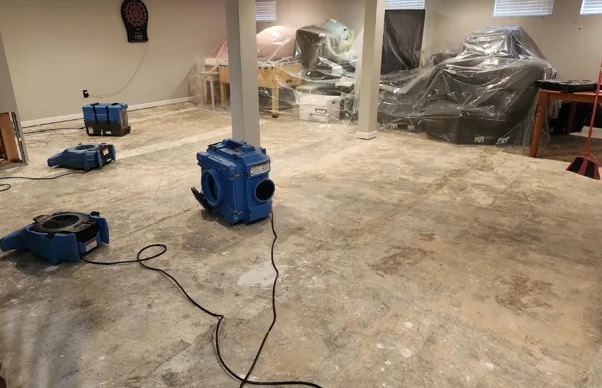
Professional Smoke Damage Assessment in Riverside, CA
After a fire, smoke damage in Riverside homes can be as harmful as the flames. Soot coats surfaces and gets into mechanical systems, causing corrosion and poor indoor air, so a full assessment saves money later.
Homes in Riverside and nearby areas like Downtown Riverside, Rubidoux and Canyon Crest often need a detailed assessment after smoke damage. Local smoke damage pros evaluate soot on contents, the structure and air quality, including odor sources and HVAC systems, to plan a full recovery.
Key Components of a Smoke Damage Assessment in Riverside
Post-Fire Surface Damage Evaluation
Cabinets, countertops and wood floors react differently to smoke. Local pros in Riverside choose the right method for each material.
Emergency Smoke Damage Tarping
Tarping seals roof and wall openings so more soot and weather do not get in, protecting clean areas during the assessment.
Structural Smoke Inspection
Pros check whether insulation and building materials absorbed smoke and need cleaning or replacement to protect air quality.
Smoke Residue Analysis
For homes in Riverside, the pros test whether residue is oily, dry or acidic so the wrong cleaning method is never used.
Smoke Residue Testing
Testing classifies soot types so pros can choose the right cleaning agents and avoid permanent staining on surfaces and belongings in Riverside.
Indicators That Require a Professional Smoke Damage Assessment
Black Dust Around Plumbing Fixtures
Fine black powder around drains or toilet bases can be soot carried by air currents.
Unusual Irritation or Respiratory Issues
Coughing, itchy eyes or breathing trouble at home can point to smoke in the indoor air.
Ash Residue on Furniture and Fixtures
A fine ash layer or sticky film on furniture and fixtures means smoke particles have settled on them.
Smoke Odor Returns After Cleaning
A smoke smell that returns soon after cleaning means the source is deeper in the house.
How Smoke Damage Assessment Works in Riverside
Step 1: Documentation for Insurance Purposes
The pros photograph and note all damage for your insurance before any work begins.
Step 2: Identification of Smoke Residue Types
Pros identify whether residue is protein, fuel or dry smoke to choose the right cleaning.
Step 3: Assessment of Corrosive Damage Potential
Pros check how much acidic soot could corrode metals, wiring and electronics.
Step 4: Development of Customized Cleanup Protocol
A cleanup plan is written from the findings, covering odor removal and restoration.
Events That Necessitate a Smoke Damage Assessment
Natural Material Smoke From Wood
Burning wood or paper leaves dry, powdery soot that still discolors and odorizes surfaces.
Incomplete Combustion From Smoldering
Smoldering fires produce large amounts of smoke that soak deep into porous materials.
Synthetic Material Combustion
Burning plastics, vinyl or foam releases acidic soot that can etch and stain surfaces.
HVAC System Recirculating Soot
A running HVAC system can spread smoke and soot through every room of the house.
Property Smoke Damage Assessment in Riverside: Residential & Commercial
Residential Smoke Damage Assessment
Home assessments often find smoke in closets and between floorboards, and residue testing then sets the right cleaning method.
Commercial Smoke Damage Assessment
Warehouses need checks of high ceilings, racks and wiring for corrosive residue that could cause equipment failures later.
The Risks of DIY Smoke Damage Assessment in Riverside
For light smoke exposure, open windows and run fans to move smoky air out, and wipe hard surfaces like counters with mild detergent. If odors stay or you see soot stains, call the pros for a professional assessment.
Understanding Smoke Damage Assessment Cost in Riverside
Cost depends on the type of smoke and how many rooms need inspection. Odors from burned synthetic materials can add time.
Air Quality Testing
Testing air in several zones adds sampling and lab analysis to the job.
Content Assessment Scope
Many belongings to assess means more itemized documentation and time on site.
Odor Severity
Strong, lasting odors need advanced detection methods to trace them to the source.
Does Insurance Cover Smoke Damage Assessment?
Coverage for cleanup after a fire is not automatic. The pros record the damage, including air test results, and your insurer decides on payment.
The Value of Local Pros for Your Smoke Damage Assessment
Structural Integrity Inspection
A structural inspection finds hidden damage in building materials before any repairs.
Air Quality Verification
Air testing shows when the home is safe to live in again after the cleanup.
HVAC System Evaluation
Smoke moves through ducts, so the HVAC system is checked as part of every assessment.
24/7 Emergency Smoke Damage Assessment for Riverside
Smoke damage gets worse the longer it sits. For an assessment in Riverside, call (951) 584-3629; the pros can start inspecting and documenting at any hour.
Call Now (951) 584-3629Smoke Damage Assessment Coverage Area Including Riverside
Each place listed below has its own page with local details.
- Smoke Damage Assessment in Rubidoux
- Smoke Damage Assessment in Highgrove
- Smoke Damage Assessment in Alessandro Heights
- Smoke Damage Assessment in Grand Terrace
- Smoke Damage Assessment in Loma Linda
- Smoke Damage Assessment in Mead Valley
- Smoke Damage Assessment in Redlands
- Smoke Damage Assessment in Woodcrest
Smoke Damage Assessment FAQs
What does a smoke damage assessment involve?
A visual inspection, residue testing, structural inspection and often air testing to document all soot and odor damage.
How soon should smoke damage assessment occur?
As soon as it is safe to enter, since soot is corrosive and odors set quickly the longer they sit.
Why is smoke odor so difficult to remove?
Smoke particles soak deep into porous materials and linger in HVAC systems, so finding every source takes professional tools.
What is the goal of smoke odor source detection?
To find where smoke smells come from, which is essential for planning odor removal that lasts.
What is post-fire air quality testing?
It samples indoor air for harmful particles and chemicals to confirm the home is safe before people move back in.