Jurupa Valley, CA · Riverside County
Roof Leak Water Removal in Jurupa Valley, CAStructural Drying Services & Ceiling Water Damage Cleanup
When rain gets into a Jurupa Valley attic, roof leak water removal means emergency roof tarping, attic water extraction and structural drying services.
Answered 24/7
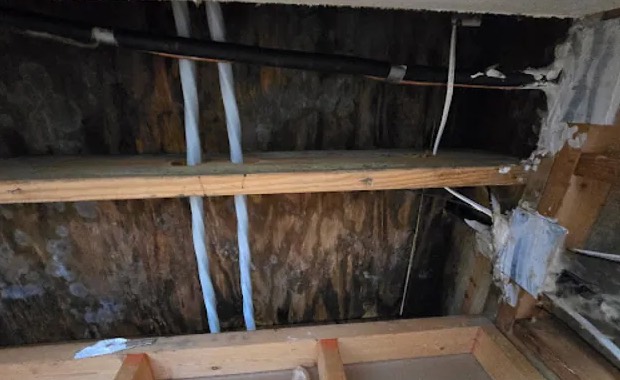
Water From a Roof Leak in Jurupa Valley, California
In Jurupa Valley, most roof leak calls start with a brown stain on the ceiling or water dripping from a light fixture during a storm.
Roof leak water removal is available in Jurupa Valley and nearby Pedley, Sunnyslope and Rubidoux. The pros tarp the opening if needed, extract the water and dry the attic framing and ceiling drywall.
Roof Leak Water Removal Work in Jurupa Valley
Structural Drying Services
Air movers and dehumidifiers are set up in the attic and the rooms below. Rafters, decking and joists are metered daily until they reach normal readings.
Ceiling Water Damage Cleanup
Stained or sagging drywall is checked with a moisture meter. Sections that are soft or bowed are cut out so the cavity above can dry and the ceiling can be patched.
Emergency Roof Tarping
Tarping is a stopgap. It keeps the next rain out of the attic and ceilings until a roofer can replace the decking, flashing or shingles.
Wall Cavity Drying
Roof leaks often run down inside exterior walls. The pros check wall cavities under the leak and dry them through small holes or by removing the baseboard.
Wet Insulation Removal
Soaked batts and blown insulation hold water against the ceiling and framing for weeks. The pros bag and remove it so the attic can dry.
How to Tell Water Is Coming Through the Roof
Sagging or Bulging Drywall
A ceiling that bulges or feels soft is holding water. It can give way, so keep people and pets out of the room.
Dark Spots on Attic Wood
Dark streaks or spots on rafters and roof decking show where water has been running or sitting for a while.
Damp Baseboards on Exterior Walls
Wet or swelling baseboards under a ceiling stain mean water has traveled down the wall cavity from the attic.
Peeling Paint on Upper Walls
Bubbling or peeling paint near the ceiling line on exterior walls points to water running down inside the wall.
How Roof Leak Water Removal Works in Jurupa Valley
Step 1: Assess the Leak
The pros look at the roof, attic and ceilings to see how long the leak has been running and what it has soaked.
Step 2: Remove Water and Debris
Water, wet insulation and fallen drywall are cleared out so the attic and room below can dry evenly.
Step 3: Clean Wet Surfaces
Wood and drywall that stayed wet for a day or more are cleaned and treated before drying to limit odor and mold.
Step 4: Monitor Until Dry
Readings are taken on each visit and the equipment is moved as areas dry, until every wet spot reaches its target.
Where Roof Leaks Start in Jurupa Valley
Clogged Gutters
Leaves and debris in gutters make water back up at the roof edge, where it seeps under shingles and into the soffit and walls.
Aging Roofing Materials
As shingles age they curl, lose granules and crack, and slow leaks start where the roof covering has worn thin.
Worn Flashing
Flashing around chimneys, skylights and wall joints can crack, rust or pull loose, and water runs in along the gap.
Storm Debris and Hail
Falling branches and hail can crack shingles or puncture the deck, opening a direct path for rain into the attic.
Roof Leak Water Removal for Every Property in Jurupa Valley, CA
Residential Roof Leak Water Removal
In older Jurupa Valley homes, leaks often follow old chimney chases or plaster ceilings. The pros check these areas closely because plaster holds water longer than drywall.
Commercial Roof Leak Water Removal
Warehouses and shops with large roof areas can have several leaks at once. The pros map each wet area, extract water and dry the structure section by section.
DIY Steps and Their Limits After a Roof Leak in Jurupa Valley
A wet-dry vacuum can pick up water from hard floors you can reach safely. Household vacuums are not made for water and can shock you.
Factors in Roof Leak Water Removal Cost in Jurupa Valley
The cost of roof leak water removal in Jurupa Valley depends on how much of the attic and ceiling got wet, how much insulation must come out and how many days drying takes.
Emergency Tarping
If the roof needs a tarp before drying can start, the materials and labor for that step add to the bill.
Size of the Wet Area
The square footage of wet attic, ceiling and wall sets how much equipment is needed and how long it runs.
Drying Time
Each extra day of air movers, dehumidifiers and moisture checks adds to the cost, so wet wood that dries slowly costs more.
Does Insurance Cover Roof Leak Water Removal?
Some policies limit payment if a leak was left unrepaired for a long time. Report it promptly and keep receipts for the tarp and any emergency work.
Why Call Local Pros for Roof Leak Water Removal in Jurupa Valley
One Job, Start to Finish
Tarping, extraction, insulation removal and drying happen in order, so each step is not left waiting on another company.
Drying to Measured Targets
Drying stops only when meters show the wood and drywall are dry, not when the surface looks dry.
Contents Moved Out of Harm
Belongings under the leak are moved, covered or dried so they do not keep soaking while the attic is worked on.
24/7 Emergency Roof Leak Water Removal in Jurupa Valley
Do not wait for a dry day to deal with a roof leak. Call (951) 584-3629 24/7 to stop the water and start drying the attic and ceilings.
Call Now (951) 584-3629Local Roof Leak Water Removal Coverage for Jurupa Valley
The places below are also served, and each one has its own page.
Questions About Roof Leak Water Removal
How soon should water removal start after a roof leak?
As soon as possible. Wet drywall and insulation can start to grow mold in 24 to 48 hours, and a ceiling holding water can sag and fall.
Does a stained ceiling always need to be replaced?
No. If moisture readings show the drywall is firm and dries out, it can often stay and be primed and painted. Soft or sagging sections are replaced.
How is water removed from an attic?
Standing water is pulled out with wet vacuums and extractors, then soaked insulation is removed so the ceiling and framing can be dried.
What happens after the water is removed?
Drying equipment runs and the pros take readings until the attic and ceiling are dry. Then the roofer and drywall repairs can go ahead.
Will water removal fix my roof?
No. Water removal dries the inside of the house. The pros can tarp the opening, but a roofer must replace shingles, flashing or decking.