San Bernardino, CA · San Bernardino County
Attic Water Damage Restoration in San Bernardino, CAAttic Moisture Inspection & Attic Drying Services
Attic Water Damage Restoration in San Bernardino includes roof leak water removal, ceiling water damage cleanup and attic moisture inspection.
Answered 24/7
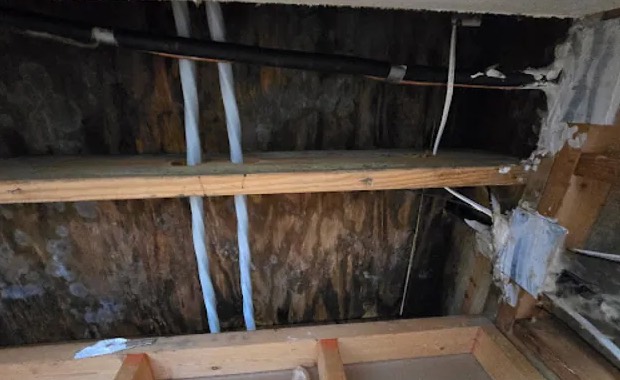
Local Attic Water Damage Restoration for San Bernardino Homes
Wet attic insulation is heavy and holds water against the ceiling drywall. In San Bernardino homes, that weight and moisture can make a ceiling sag and eventually fall if the insulation is not removed.
Homeowners in San Bernardino can call (951) 584-3629 day or night when water is dripping from the ceiling. Service also covers Colton, Rialto and Loma Linda, with the same attic inspection and drying process.
Comprehensive Attic Water Damage Restoration for San Bernardino
Attic Moisture Inspection
An inspection shows how far the water spread from the leak point, which decides what is dried in place and what is removed.
Attic Drying Services
Attic drying targets the wood framing and the ceiling below, with readings taken until both return to normal levels.
Roof Leak Water Removal
Rain that came through damaged shingles, flashing or vents is removed from the attic, and the leak location is marked for the roofer.
Ceiling Water Damage Cleanup
A ceiling stained or soaked from an attic leak is drained safely, and sagging drywall is cut out before it falls into the room.
Wet Attic Insulation Removal
Wet fiberglass batts lose their insulating value and hold water against the ceiling. Soaked sections are bagged and removed so the area underneath can dry.
Signs of Attic Water Damage in San Bernardino Homes
Crumbling Drywall Tape
Ceiling drywall tape that bubbles, cracks or peels usually means water is soaking the seams.
Peeling Paint or Wallpaper
Paint that bubbles or peels on upstairs ceilings and walls often has water behind it.
Water Stains on Ceiling
Brown rings or yellow spots on an upstairs ceiling usually mean water is sitting on the drywall from above.
Visible Mold in Attic
Dark spots on roof decking or rafters mean the wood has stayed damp for some time.
How Attic Water Damage Restoration Works in San Bernardino
Step 1: Initial Assessment and Water Removal
The pros find the source, check safety in the attic and remove standing water and wet debris.
Step 2: Wet Attic Insulation Removal
Soaked batts or blown-in insulation are bagged and removed so the wood and drywall can dry.
Step 3: Targeted Attic Drying Process
Drying equipment is aimed at the wet framing and ceiling, and moved as areas reach normal readings.
Step 4: Sanitization and Mold Prevention
Once dry, decking and rafters that stayed wet can be cleaned and treated with an antimicrobial.
What Causes Attic Water Damage in San Bernardino?
Roof Leaks and Damaged Shingles
Missing, cracked or lifted shingles let rain reach the roof deck and drip into the attic.
Burst or Leaking Plumbing Pipes
Supply lines and water heaters in the attic can leak or burst directly onto the ceiling.
Attic Appliance Leaks
AC air handlers in the attic overflow when the condensate line clogs or the pan cracks.
Failing Roof Valley or Flashing
Worn flashing around valleys, chimneys and skylights lets water run into the attic.
Residential and Commercial Attic Water Damage Restoration in San Bernardino
Residential Attic Water Damage Restoration
For townhomes and condos, an attic leak can cross into a neighbor's space. Fast drying and clear records help sort out repairs with the association.
Commercial Attic Water Damage Restoration
Property managers get photos and readings for each affected unit or suite, which simplifies insurance claims and roof repair planning.
Why DIY Attic Water Damage Restoration Often Fails in San Bernardino
You can check the attic with a flashlight for wet insulation and dripping water if it is safe to do so. Removing soaked insulation and drying the framing takes equipment, protection and safe footing.
Understanding Attic Water Damage Restoration Pricing
In San Bernardino, insulation removal and ceiling repair often make up a large share of the bill, along with drying equipment days in the attic.
Mold Prevention Measures
Antimicrobial treatment of decking and rafters that stayed wet is an added cost.
Affected Attic Materials
Wet insulation, decking and ceiling drywall that must be removed add labor and disposal costs.
Type of Water Involved
Clean rainwater is simpler to handle than water from a drain or a contaminated source.
Does Insurance Cover Attic Water Damage Restoration?
Ceiling damage below an attic leak is usually handled as part of the same claim. Make sure the adjuster sees both the attic and the room below.
Selecting Local Pros for Attic Water Damage Restoration in San Bernardino, CA
Roof Leak Location
The leak point is marked and photographed so the roofer can fix the right spot.
Mold Prevention Focus
Fast drying of wood framing is the main way to limit microbial growth after a leak.
Ceiling Damage Mitigation
Sagging ceiling drywall is drained and removed safely before it can fall.
24/7 Attic Water Damage Restoration Response for San Bernardino
Every day insulation stays wet, more ceiling and decking are at risk. Call (951) 584-3629 for attic water damage restoration in San Bernardino as soon as you see a stain.
Call Now (951) 584-3629Local Attic Water Damage Restoration Coverage Area
The places below are also served, and each one has its own page.
- Attic Water Damage Restoration in Colton
- Attic Water Damage Restoration in Colton
- Attic Water Damage Restoration in Rialto
- Attic Water Damage Restoration in Loma Linda
- Attic Water Damage Restoration in Loma Linda
- Attic Water Damage Restoration in Bloomington
- Attic Water Damage Restoration in Bloomington
- Attic Water Damage Restoration in Jurupa Valley
Common Attic Water Damage Restoration Queries Answered
How quickly should I respond to an attic leak?
Right away. Water on the attic floor soaks into the ceiling drywall within hours and can make it sag or fall.
How is attic water damage documented?
With photos of the leak point and damage, moisture readings, a list of removed materials and daily drying logs.
What are common signs of poor attic ventilation?
Damp or dark roof decking, rusted nails, musty smells and condensation on the underside of the roof.
What are the first steps after finding attic water damage?
Catch active drips, move belongings out of the room below, keep away from sagging ceilings and call for an inspection and water removal.
What is structural drying for an attic?
Drying the rafters, joists and roof decking with directed airflow and dehumidifiers until moisture readings return to normal.